Maintaining a healthy lawn is a year-round task, but each season brings its own set of challenges. Weather patterns, temperature shifts, and rainfall variations all influence how often and how effectively you should mow your lawn. Understanding how seasons affect lawn mowing can help you keep your grass in top condition without overworking yourself or damaging the lawn.
A well-maintained lawn requires adjustments in mowing height, frequency, and overall care depending on the season. Ignoring these factors can result in grass that struggles to thrive, becomes susceptible to pests, or develops patchy and unhealthy growth. By tailoring your approach to lawn mowing throughout the year, you can ensure a greener, healthier lawn with less effort and fewer issues.
Spring: The Growth Surge
Spring is a time of rapid growth for lawns, thanks to increasing temperatures and consistent rainfall. As grass comes out of dormancy, it requires more frequent mowing to maintain a healthy height and prevent overgrowth. However, mowing too early in the season can damage young grass shoots.
Key Concerns in Spring:
- Mowing Frequency: As temperatures rise, lawns may need mowing once a week or more.
- Mower Blade Height: Keeping the mower blade slightly higher (around 6–7 cm) helps protect new growth and encourages strong root development.
- Dealing with Weeds: Spring is prime time for weeds, so regular mowing can help control unwanted growth.
- Managing Moisture: Excess rain can lead to overly soft soil, making mowing difficult. Avoid mowing wet grass to prevent soil compaction and mower damage.
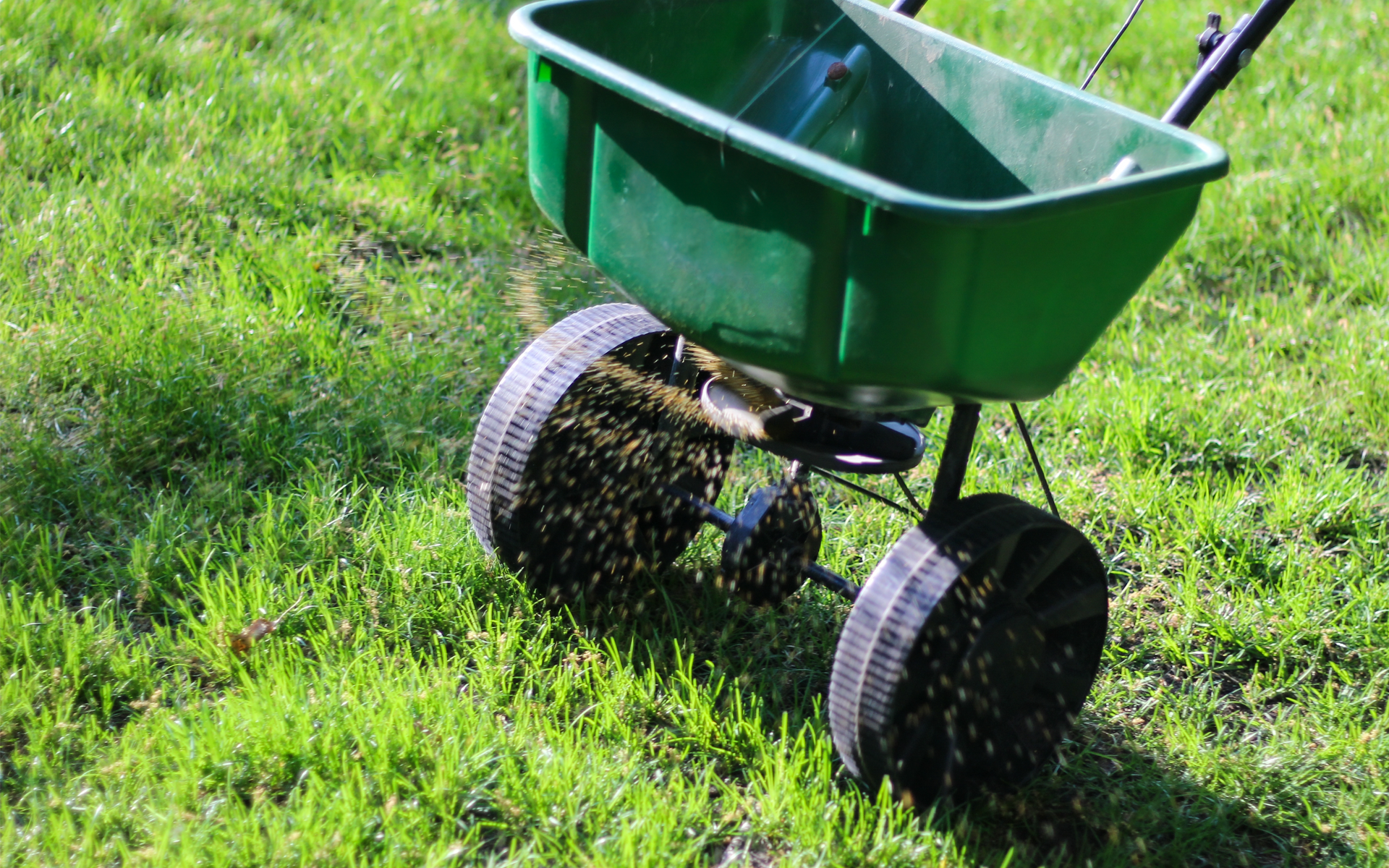
- Fertilisation Timing: Early spring fertilisation can support new growth, but avoid over-fertilising as this can lead to excessive thatch buildup.
- Aeration Considerations: If the soil is compacted, spring is a good time to aerate the lawn to improve oxygen and nutrient penetration.
Summer: Heat and Dry Conditions

Summer presents the biggest challenge for lawn maintenance. Heat stress and dry conditions slow down grass growth, meaning mowing frequency needs adjustment. Cutting too often or too short in summer can weaken grass, making it more susceptible to drought and pests.
Key Concerns in Summer:
- Mowing Frequency: Reduce mowing to once every 10–14 days, depending on growth.
- Height Matters: Cutting the grass too short exposes the soil to heat and causes moisture loss. Keep the mower blade set higher (7–10 cm).
- Dull Blades Damage Grass: Dry summer conditions make grass more prone to damage. Ensure your mower blades are sharp to avoid tearing the grass.
- Time of Day Matters: Mowing during the cooler parts of the day (morning or late afternoon) helps reduce heat stress on the lawn.
- Managing Lawn Thatch: Excess clippings can form a layer of thatch, which traps heat and prevents water from reaching the roots. Mulching clippings or bagging them occasionally helps maintain balance.
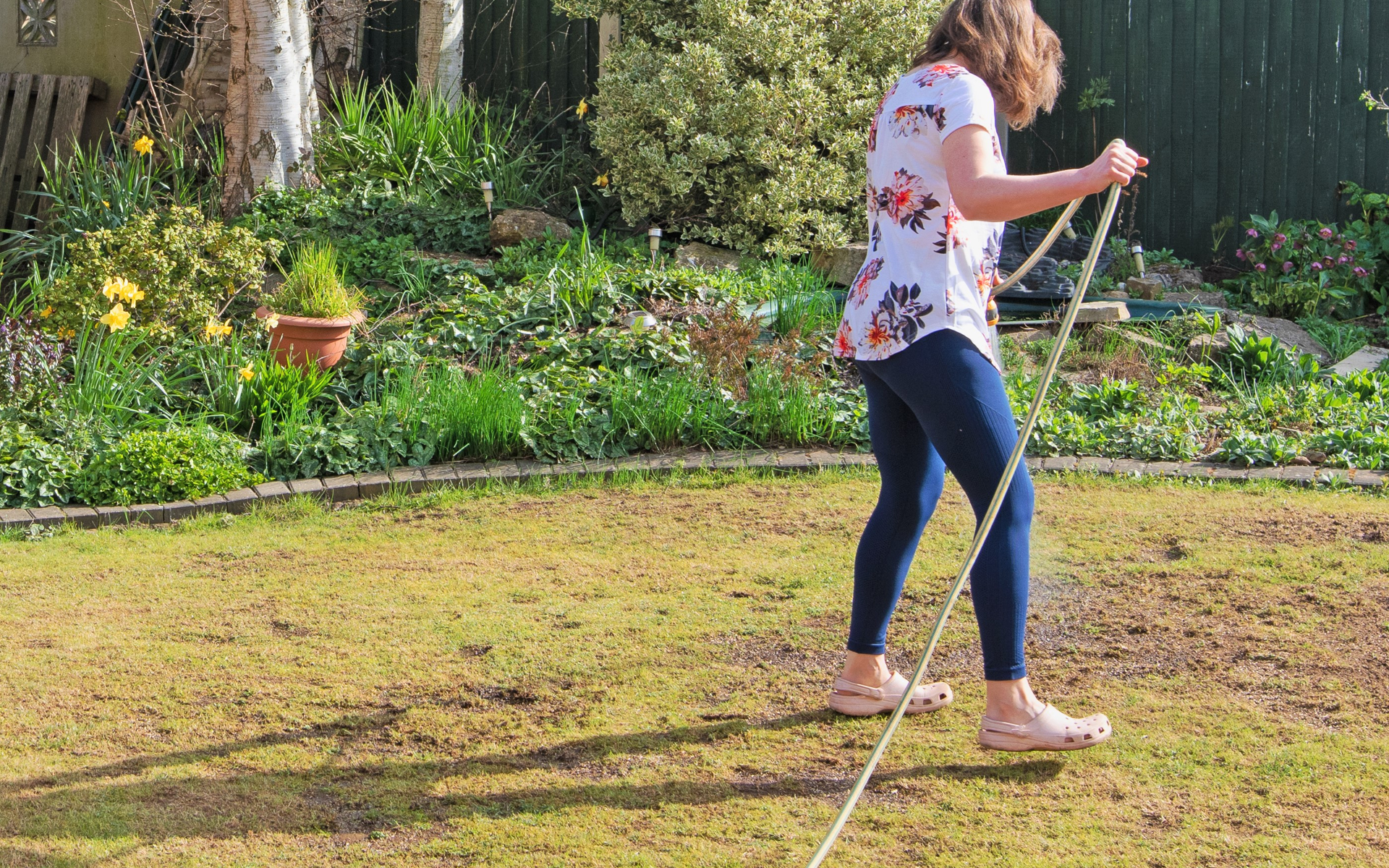
- Watering Schedule: Deep, infrequent watering is better than frequent shallow watering. Early morning watering is ideal to prevent evaporation losses.
- Pest and Disease Monitoring: Stressed lawns are more prone to pest infestations and fungal diseases. Keep an eye out for signs of damage and treat as necessary.
Autumn: Recovery and Preparation
Autumn is a transitional season where lawns recover from summer stress and prepare for winter dormancy. Cooler temperatures and increased rainfall promote strong root growth, making this a crucial period for lawn care.
Key Concerns in Autumn:
- Mowing Frequency: Regular mowing is still needed, though growth slows slightly. A weekly mow is usually sufficient.
- Gradual Height Reduction: Start lowering the mower blade height slightly to prepare for winter, but avoid drastic cuts that could weaken the lawn.
- Leaf Management: Falling leaves can smother grass, so regular mowing or raking is necessary.
- Repairing Summer Damage: Autumn is a good time for overseeding or applying fertiliser to restore nutrients lost during summer.
- Aeration and Dethatching: If the lawn has compacted soil or excessive thatch buildup, autumn is the ideal time to address these issues.
- Pest Prevention: Some insects and fungal diseases become active in autumn, so monitoring lawn health is essential.
- Soil Testing: Testing soil pH and nutrient levels can help determine whether additional fertilisation or soil amendments are needed before winter.
Winter: Dormancy and Minimal Growth
Winter brings a slowdown in grass growth, especially in cooler regions. While warm-season grasses may go dormant, some lawns still require occasional maintenance.
Key Concerns in Winter:
- Mowing Frequency: Mowing is rarely needed, but if growth continues, a light trim once a month should suffice.
- Blade Height: Keep the grass slightly longer to insulate roots and protect against frost.
- Avoid Mowing on Frosty Days: Walking or mowing on frozen grass can damage it, leading to bare patches in spring.
- Preventing Disease: Wet conditions can promote fungal growth, so ensure the lawn isn’t overly damp by maintaining good drainage.
- Minimal Foot Traffic: Frozen or waterlogged grass is easily damaged, so limit walking on the lawn when conditions are poor.
- Winter Weed Control: Some weeds continue growing in winter, so spot treatment may be necessary.
- Equipment Maintenance: Winter is a great time to service and sharpen mower blades, ensuring your equipment is ready for spring.
General Lawn Mowing Tips for All Seasons
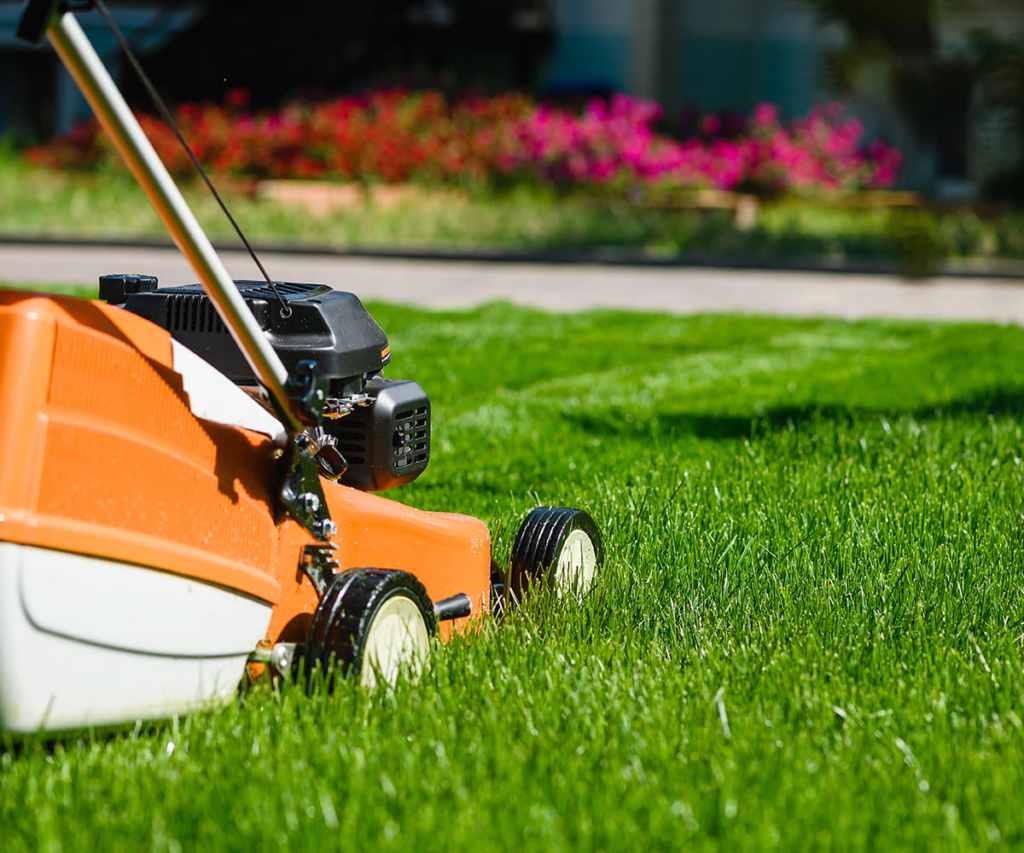
While seasonal changes affect mowing schedules, some fundamental lawn care principles apply throughout the year:
- Never Cut More Than One-Third of the Grass Blade: Removing too much grass at once stresses the plant and weakens its root system.
- Sharpen Mower Blades Regularly: Dull blades tear grass rather than cutting it cleanly, leading to brown tips and increased susceptibility to disease.
- Vary Mowing Patterns: Mowing in different directions prevents soil compaction and helps grass grow upright.
- Adjust Mowing Based on Weather: If rainfall is heavy, allow the soil to dry before mowing to prevent ruts and uneven cuts.
- Use the Right Mower for Your Lawn: Different mower types suit different grass varieties and lawn sizes, so ensure your equipment matches your lawn’s needs.
- Proper Lawn Edging: Keeping edges neat improves the overall look of the lawn and prevents grass from encroaching on garden beds.
- Regular Maintenance Routines: Seasonal fertilisation, aeration, and dethatching can complement mowing efforts for a healthier lawn.
Conclusion
Understanding how the seasons affect lawn mowing helps you maintain a lush, healthy lawn all year round. Spring requires frequent cutting to manage rapid growth, summer calls for protective mowing strategies, autumn is about recovery, and winter demands minimal maintenance. By adjusting your mowing habits to suit seasonal conditions, you can keep your lawn looking its best while reducing unnecessary stress on the grass.
Lawn care is not just about mowing—proper watering, fertilisation, aeration, and seasonal adjustments all play a role in maintaining a healthy lawn. By staying proactive and adapting to seasonal changes, you can ensure that your lawn remains resilient, green, and thriving no matter the time of year.