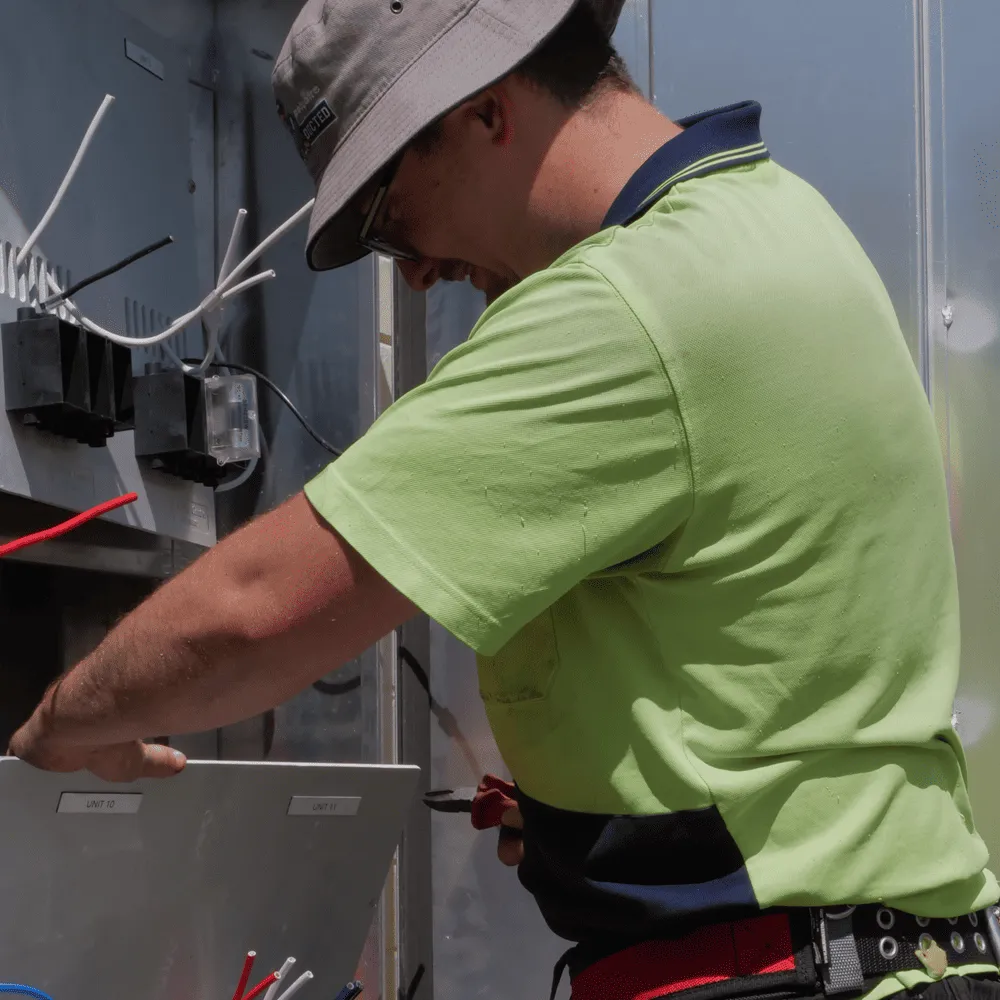
Keeping a building safe is non negotiable, but the smart operators know electrical safety audits are just as much a financial tool as they are a compliance task. The right audit finds faults early, prevents downtime, trims energy waste, strengthens insurance positions, and extends the life of expensive assets. Done well, it pays for itself quickly and then keeps paying through lower operating costs year after year.
What An Electrical Safety Audit Actually Covers
Before counting the savings, it helps to be clear on scope. A thorough audit reviews distribution boards, RCD performance, earthing and bonding, cable condition, protective devices, emergency and exit lighting, switchboard labelling, load balancing, surge protection, metering accuracy, and the test records that demonstrate compliance.
In strata and commercial settings, it also checks common areas, plant rooms, car parks, lifts, and shared services that affect multiple tenants. The result is a prioritised list of risks and inefficiencies that can be fixed in a planned, cost effective way.
Direct Cost Savings You Can Bank Today
Some savings appear as soon as you work through the first recommendations. Typical quick wins include:
- Replacing hot or humming magnetic ballasts with efficient LED lighting drivers.
- Fixing loose terminations that create heat, wasted energy, and early equipment failure.
- Correcting circuit imbalance that causes nuisance trips and productivity loss.
- Calibrating or replacing faulty meters so you pay for what you actually use.
- Repairing power factor issues where penalties apply.
Because these items are visible during testing and thermal imaging, they are inexpensive to resolve and the payback period is often measured in months.
Preventing Expensive Failures Before They Start
Many electrical faults develop quietly. Insulation resistance declines. Connections loosen with vibration. Heat builds behind closed switchboard doors. An audit that includes thermal imaging and insulation testing finds those issues long before they become a smoke event or a blackout callout at 2 am. Avoiding even one major failure can save tens of thousands in emergency repairs, lost trading hours, product spoilage, and reputational damage with tenants or customers.
Insurance And Compliance Advantages
Insurers look more favourably on assets that can prove proactive maintenance. An up to date audit report, accompanied by evidence that high risk items were rectified, may help when negotiating premiums or excess terms.
In the event of an incident, clear records reduce dispute risk and demonstrate that you took reasonable steps to keep people safe. For commercial and strata properties, the audit supports your obligations under workplace health and safety legislation and relevant standards. Compliance is not just paperwork. It is your shield against fines, stop work orders, and legal exposure.
Energy Efficiency Wins Unlocked by Audits
Electrical safety audits often reveal the very same issues that drive up energy use. Overheated conductors, underperforming motors, poorly set timers, and aging lighting all add to your bill. By testing, measuring, and logging loads over time, the auditor can recommend targeted upgrades with credible savings estimates.
Common examples include LED conversions, sensor based controls in low occupancy areas, and improved scheduling of plant run times. When you match the recommendations to current tariffs, demand charges, and operating hours, the numbers become compelling.
Extending Asset Life and Deferring CapEx
A switchboard replacement or lift motor overhaul is capital intensive. If an audit shows the equipment is fundamentally sound but stressed by heat, dust, or load imbalance, small changes can extend its life by years.
Simple actions like installing better ventilation, rebalancing phases, tightening connections to manufacturer torque settings, and cleaning cooling fins reduce wear. Every year you can safely defer major replacement is a year of preserved capital and improved return on assets.
Productivity and Downtime Avoidance
Unplanned outages are expensive. Staff are paid but cannot work, tenants lose sales, and building managers field complaints. An audit helps schedule maintenance outside trading hours, identify single points of failure, and build redundancy for critical circuits.
It also reduces nuisance tripping by verifying RCD performance and discrimination. When protective devices operate in the correct sequence, a fault affects a small area rather than taking out an entire floor.
Safer Processes Reduce Hidden Operational Costs
Safety incidents trigger investigations, retraining, and sometimes contractor stand downs. Those indirect costs rarely appear on a line item but they are real. Audits tighten your processes around lockout tagout, permit to work, contractor access to switch rooms, and up to date single line diagrams. With better documentation and signage, visiting trades can work faster and safer. That reduces rework, shortens service calls, and cuts the soft costs that creep into maintenance budgets.
What It Costs When You Skip Audits
It can be tempting to postpone audits in quieter budget years. The cost of skipping tends to show up later as:
- Emergency callouts at premium rates.
- Rushed parts procurement at higher prices.
- Insurance claim disputes due to poor records.
- Lost rent or concessions to tenants after avoidable downtime.
- Early replacement of assets that were allowed to run hot for years.
When you compare those outcomes with the cost of a planned audit and a steady, prioritised rectification program, the financial logic is obvious.
The Bottom Line
Electrical safety audits are not just a compliance exercise. They are a structured way to find and remove avoidable costs from your building. By partnering with a competent provider of electrical services, you can reduce energy waste, prevent failures, improve insurance outcomes, extend asset life, and maintain predictable budgets. The savings are real, repeatable, and aligned with your duty to keep occupants safe.