
Knowing when to bring in a professional for winter heating maintenance is not guesswork. Timing affects safety, reliability, energy costs, and the lifespan of your heater. While many households wait until the first cold snap to switch systems on and hope for the best, a simple schedule and a few clear triggers make it easy to book a visit before small issues turn into no-heat emergencies.
Let’s dive into the best times to arrange a service, how to recognise urgent warning signs, and how to plan around your home, climate, and heater type. The goal is simple. Keep your family warm and safe, keep costs predictable, and avoid mid-season breakdowns by using a licensed technician at the right moments.
The Best Time to Book: Early Autumn Beats First Frost
The ideal window for routine servicing is early autumn. Temperatures are mild, trade calendars have more breathing room, and you can afford a few days for parts if the technician finds something that needs attention. Booking in March or April gives you time to complete follow-up repairs before winter.
Systems strain most when nights are cold, so it is smarter to tune them when loads are light. An early autumn check also lets a licensed technician benchmark combustion, airflow, and electrical performance while the system is not yet caked in winter dust or suffering from mid-season wear.
Annual Rhythm: Why a Yearly Service Makes Sense
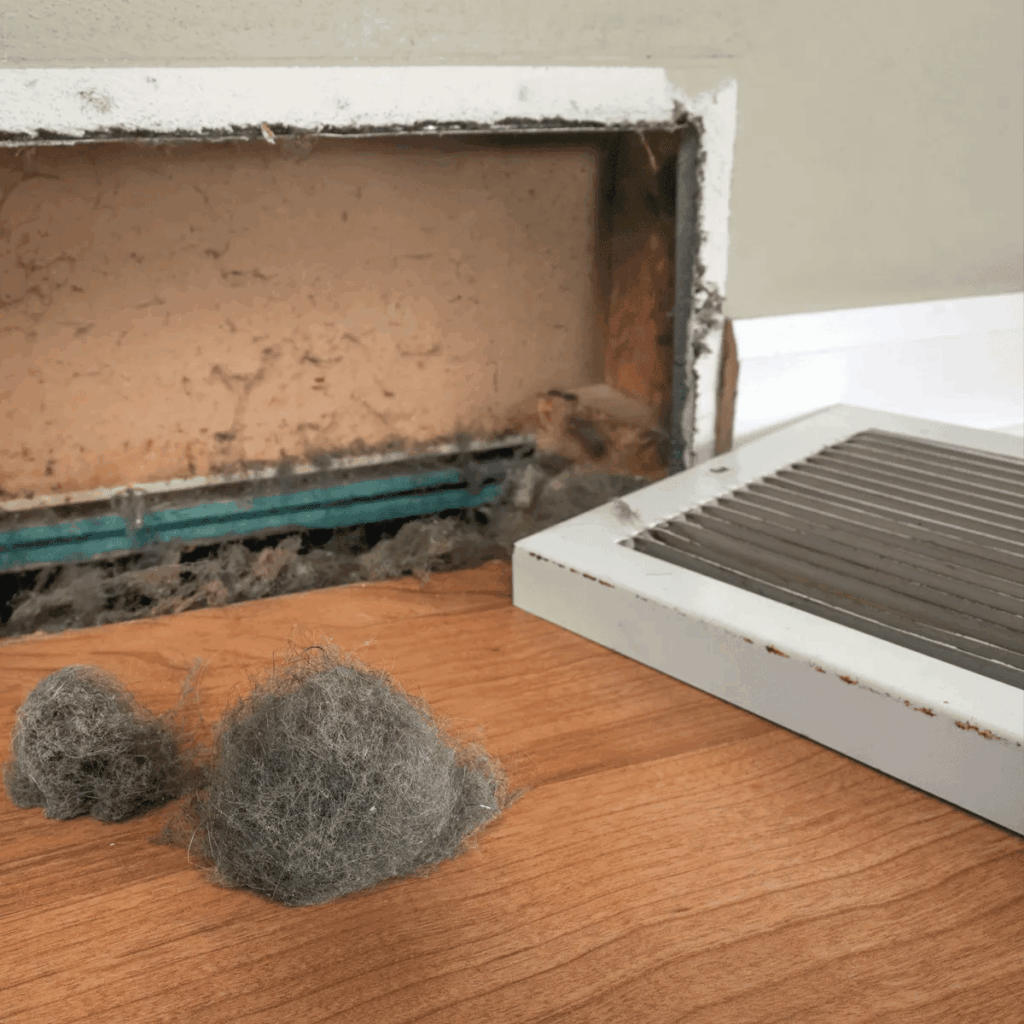
Heaters drift out of tune with use and long periods of inactivity. Dust collects on filters and burners, fan bearings wear, ducts loosen, and thermostats go out of calibration. A yearly check restores baseline performance and keeps the system within manufacturer specifications. For gas units in particular, annual testing of combustion and flue draw is non-negotiable. A licensed technician will measure rather than guess, which means you get real numbers on safety and efficiency. If your home sits near the coast, on a dusty road, or you run the heater for long hours, shorten the interval to twelve months at most rather than every second year.
Pre-Winter Checklist Triggers: Simple Signs It Is Time
Before the cold sets in, look for everyday clues that a service is due. None of these are dramatic, but together they point to rising risk and falling efficiency.
- Filters clog again within weeks of replacement.
- Rooms heat unevenly or outlets feel weak even at higher fan speeds.
- The thermostat overshoots or undershoots setpoint by a few degrees.
- The system short cycles, starts loudly, or runs longer than last year for the same comfort.
- Energy bills creep up despite similar habits.
These behaviours suggest airflow restrictions, burner fouling, control drift, or duct leaks. Book a licensed technician to diagnose and reset the system before winter turns these into bigger faults.
Urgent Red Flags: Do Not Wait for a Routine Slot
Some signs call for immediate professional attention. They are not for DIY fixes and should be treated as safety issues.
- Burning smells, scorching at outlets, or discoloured plugs on portable heaters.
- Yellow, lazy, or lifting burner flames on any gas appliance.
- Soot deposits, headaches, nausea, or dizziness when the heater runs.
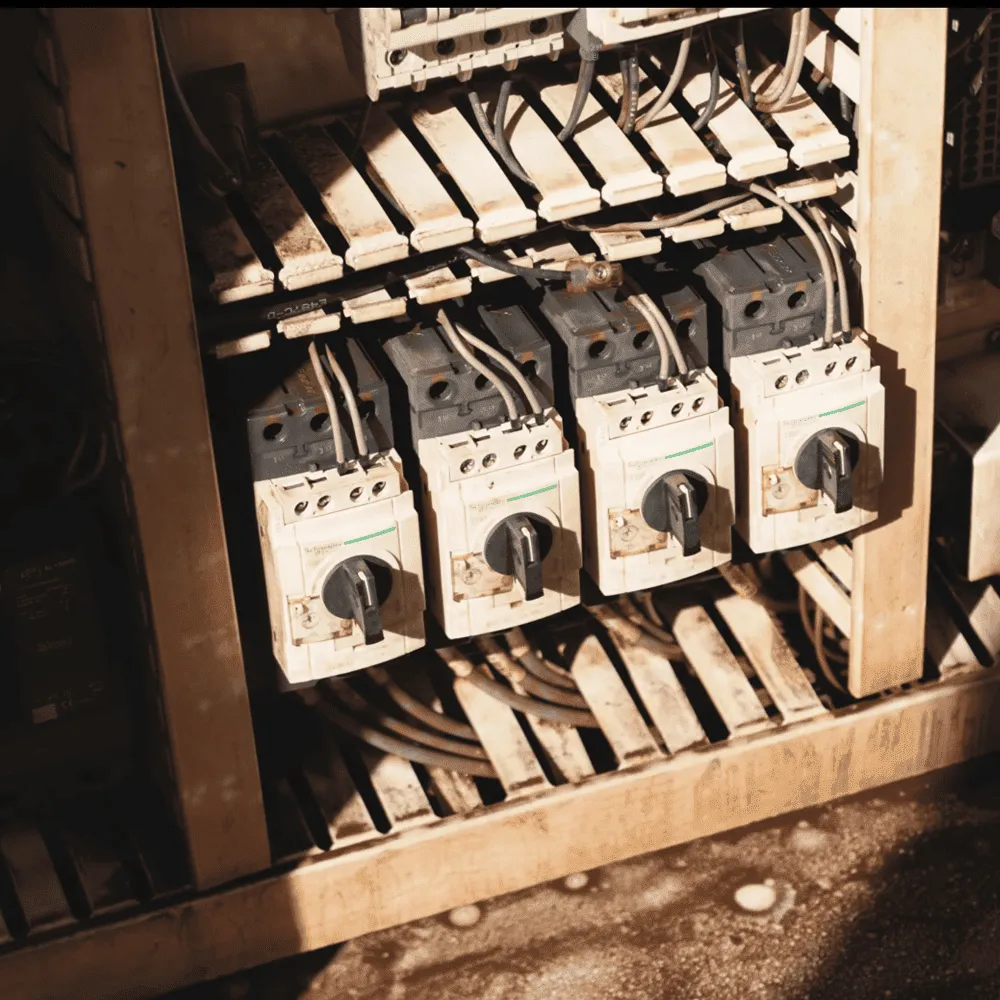
- Breakers tripping, lights flickering on startup, or persistent buzzing at the switchboard.
- Repeated failed ignitions or delayed ignition thumps.
Turn the unit off and book an urgent inspection. A licensed technician will test for carbon monoxide, check heat exchangers and flues, verify electrical integrity, and make the appliance safe.
After Long Gaps or a Move: Establish A Safe Baseline
If your heater has not been serviced for several years or you have moved into a property with no documented history, arrange a baseline inspection before winter. Older ducted gas units may be at the end of heat exchanger life, while split systems can carry electrical and refrigerant issues that are invisible until tested. A baseline check sets a starting point for future maintenance and alerts you to any near-term replacement decisions. This is also the right time to label returns and supplies, confirm filter sizes, and map out duct runs so you can change filters correctly during the season.
Climate And Location: Adjust The Schedule to Your Conditions
Australia covers a wide range of climates, and your maintenance timing should reflect local conditions. Coastal homes see more corrosion and salt-laden air. Rural and suburban homes near unsealed roads collect more dust in returns and outdoor units. Cooler regions push heaters to work longer hours, which shortens service intervals. If you know you will face heavy use in June and July, bring the service forward to late March. In milder zones where winter is shorter, a May check can still get you through comfortably, but do not push it to the week of the first cold front when bookings are tight.
What To Ask Your Technician: Make the Visit Count
Make use of the time on site to get clarity and useful data. Ask the technician to note combustion efficiency, carbon monoxide readings where relevant, motor current draw, and thermostat calibration. Request photos of any damaged ducts or heat exchanger concerns. Confirm the correct filter size and recommended change frequency for your home. A licensed technician who shares data equips you to make better decisions about repairs, upgrades, or replacement when the time comes.
Putting It All Together: A Practical Timing Framework
If you want a simple plan to follow each year, use this framework.
- Late summer. Set a reminder to obtain quotes and lock in an early autumn service.
- Early autumn. Book the full service. Replace filters and clear outdoor units beforehand.
- Pre-winter. Act on any recommended preventative repairs. Do not delay small fixes.
- Mid-winter. Do a quick filter check and clear returns. Log any unusual noises or smells.
- Spring. Clean, record observations, and file service reports for warranty and insurance.
Sticking to this rhythm is easier and cheaper than reacting to failures in June or July.
The Bottom Line: Book Early, Act on Red Flags, Use a Licensed Technician
Timing matters. Early autumn servicing prevents winter failures, protects your family, and keeps bills in check. Urgent red flags call for immediate professional attention rather than wait-and-see. Household changes, local climate, appliance age, and recent storms all shift timing forward, not back.
The thread through all of this is simple. Use a licensed technician to test, tune, and document your system. Do the basic housekeeping yourself, plan ahead, and you will glide through winter with reliable, safe, and efficient heat.