Aluminium wall panels often get described as “strong”, but on-site complaints are usually about something else. The panel feels springy, it drums when you knock it, it dents near doorways, or it looks slightly wavy under raking light. Those outcomes are less about raw strength and more about stiffness, support, and detailing.
If you want aluminium flat sheet wall panels to behave properly in the real world, it helps to separate the core mechanics, then tie them back to practical decisions.
Why Strength and Stiffness Get Mixed Up
Strength is about how much stress a material can take before it yields, bends permanently, or fails. Stiffness is about how much it deflects under a given load. A wall panel can be very strong and still feel flexible if it is thin or poorly supported.
Aluminium is a good example because it has a strong strength-to-weight ratio, but its stiffness (elastic modulus) is lower than steel. In plain terms, a thin aluminium sheet can carry loads without tearing, yet still flex more than people expect when pressed, knocked, or impacted.
Common “this panel feels weak” complaints usually come from stiffness problems, not strength problems:
- The sheet flexes between studs or battens
- The wall “drums” when tapped or when doors close
- Small impacts leave visible dents even if the panel is not structurally compromised
- Fasteners telegraph through as dimples or puckers
- The surface shows waviness under certain lighting angles
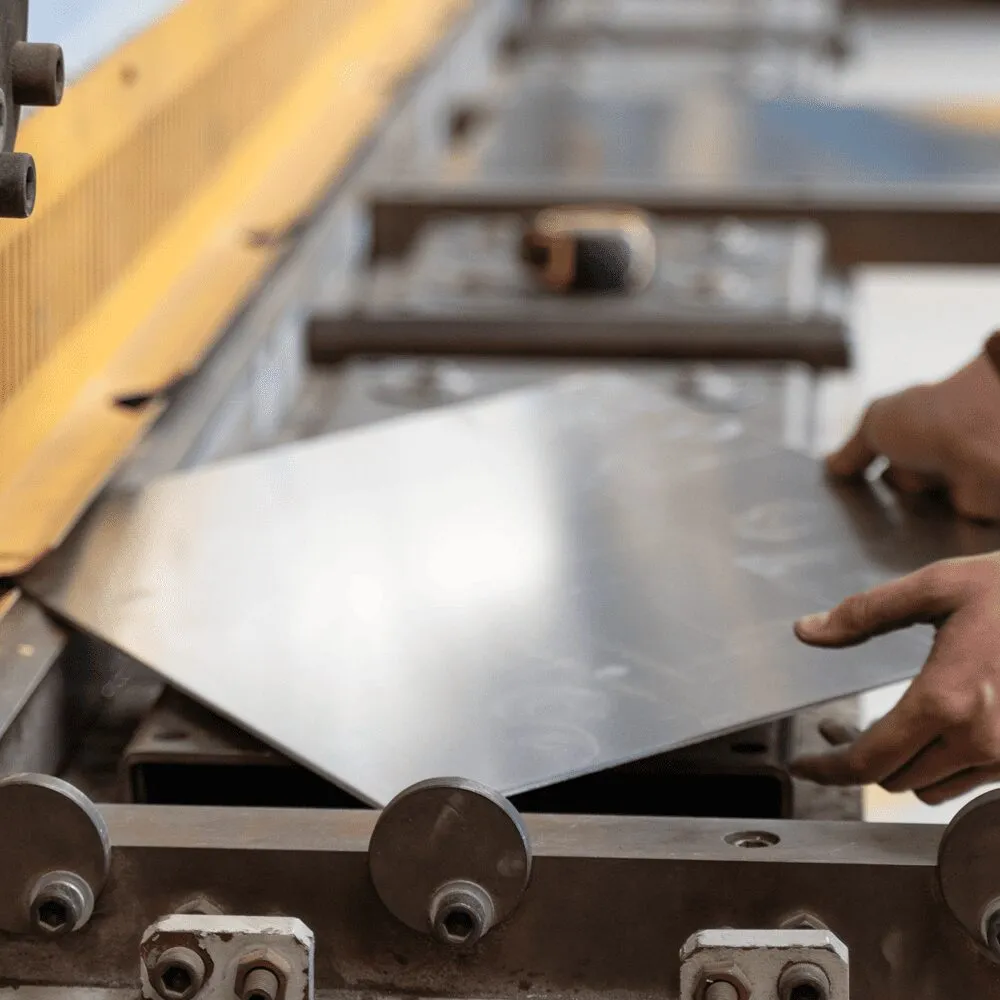
What Stiffness Looks Like on a Wall
Stiffness shows up as deflection, vibration, and surface flatness. A panel does not have to be close to failing for it to look or feel wrong. If the sheet moves too easily, the wall can feel cheap even when it is technically durable.
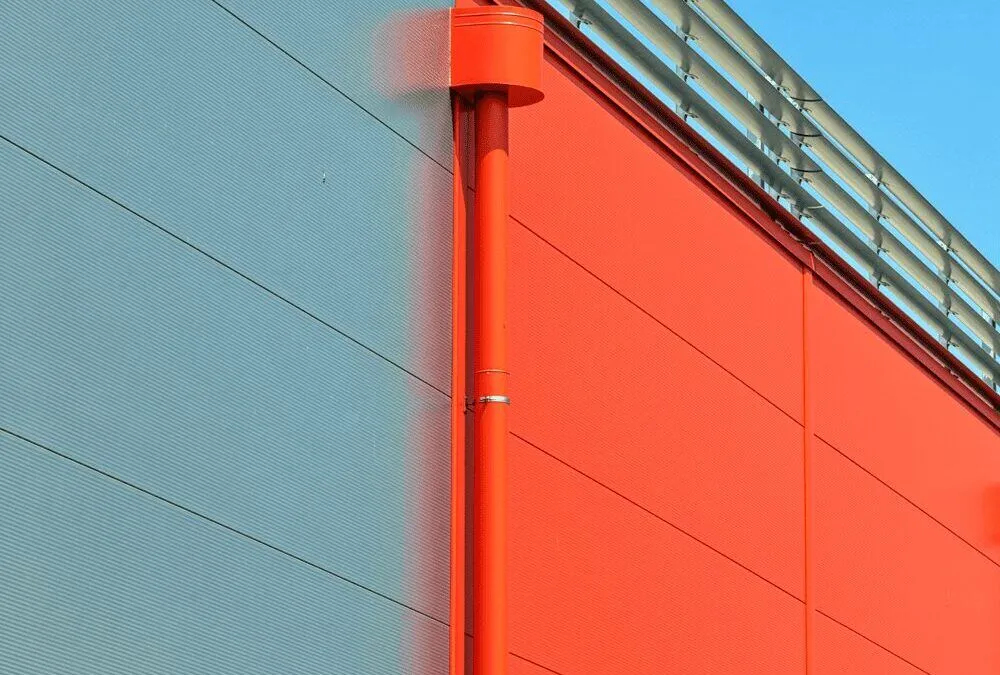
On walls, stiffness problems tend to appear in three ways. First, the panel deflects between supports when someone leans on it or when a chair bumps it. Second, it vibrates and makes noise (often called drumming) because the sheet behaves like a thin diaphragm. Third, it can show oil-canning, a subtle waviness that becomes obvious with raking light.
Early checks that predict stiffness issues include:
- Large unsupported spans with thin sheet
- Minimal backing or soft backing that allows local bending
- Fixings that are too far apart or unevenly spaced
- Flat, wide panels with no folds, returns, or stiffening features
- High-gloss finishes that make surface variation more visible
Thickness, Span, and Backing: The Three Levers That Matter
If you only remember one thing, remember this: stiffness improves dramatically when you reduce span, increase thickness, or add effective backing. These three levers work together, and you can often achieve a better outcome by improving support rather than simply choosing thicker sheet.
Thickness is the obvious lever, but it is not always the most cost-effective one. A modest increase in thickness can help, but adding proper backing or reducing the spacing between supports can deliver a bigger jump in real-world rigidity and impact behaviour.
Practical ways these levers get applied on projects:
- Increase thickness in known impact zones (corridors, near doors, behind seating)
- Reduce batten or stud spacing where the panel needs to feel solid
- Use a rigid substrate so the sheet cannot locally dish or buckle
- Avoid large “free spans” that make any thin sheet feel springy
- Combine mechanical fixing with appropriate adhesive where the system allows it
This is where aluminium flat sheet metal performs best as part of a system, not as a standalone skin.
Alloy, Temper, and Finish: What Changes and What Does Not
People sometimes expect alloy choice to solve stiffness. In most architectural wall panel contexts, alloy and temper have more influence on formability, dent behaviour, and fabrication outcomes than they do on stiffness in a way you will feel day to day. Stiffness is dominated by geometry (thickness and panel build-up), not by small shifts in material grade.
Alloy and temper do matter for:
- How easily the sheet folds or forms without cracking
- How it responds to localized impacts (dent resistance and spring-back)
- Surface quality and suitability for certain finishes
- Consistency during fabrication, especially for folded returns and tight tolerances
Finish choices can also change how “flat” a panel looks. High-gloss surfaces reveal waviness more than matte or lightly textured coatings. If the project has raking light (corridors with downlights, shopfronts, feature walls), finish selection becomes part of “performance”, not just aesthetics.
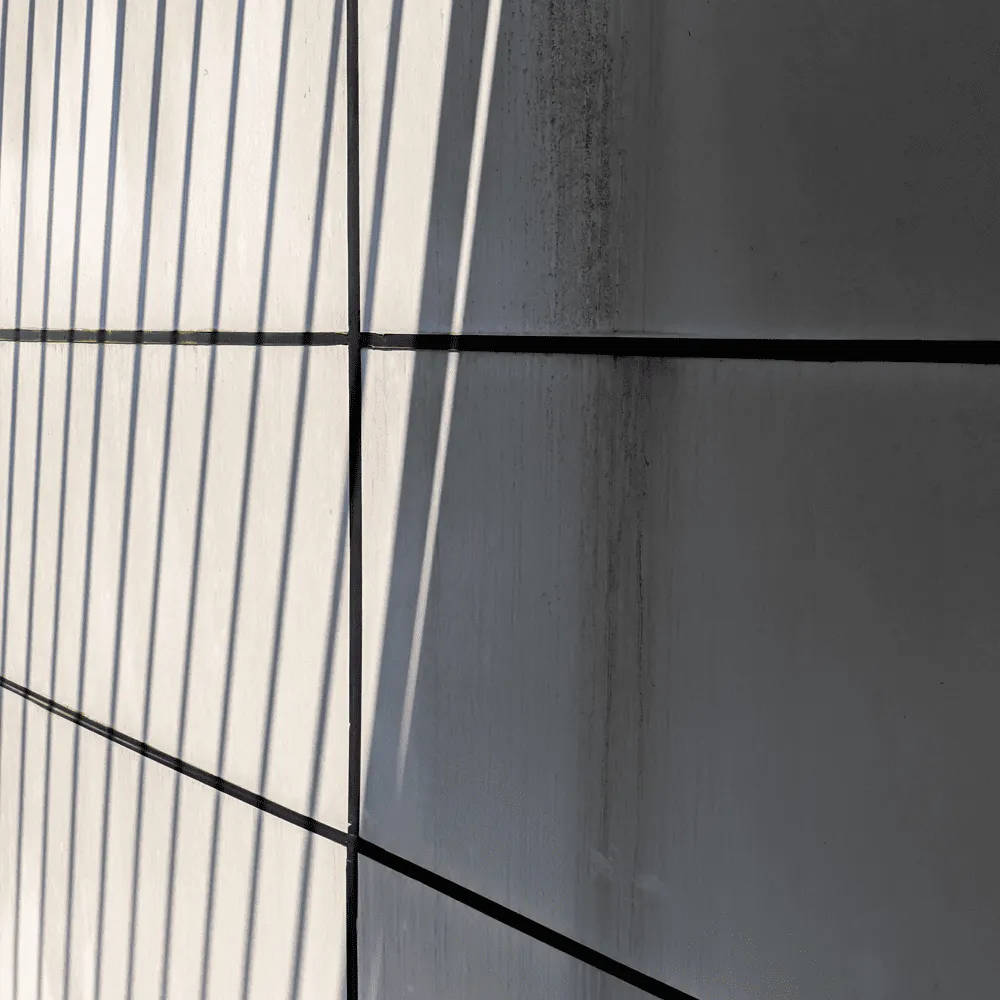
Real-World Impact Types That Actually Damage Walls
Impact is not one thing. A bump from a backpack is different from a trolley corner, and both differ from someone slamming a chair into the wall. Aluminium’s real-world advantage is that it can be durable and easy to maintain, but denting can still occur if thickness, backing, and detailing do not match the abuse level.
Most wall impacts fall into a few predictable categories:
- Soft-body impacts (people leaning, shoulders, bags, prams)
- Hard-edge impacts (trolley corners, chair backs, equipment handles)
- Repeated scuffing (shoes, bins, vacuum bumping, cleaning carts)
- Edge hits (door swings, corners near intersections, pinch points)
Key Takeaways
Strength gets attention, but stiffness drives most real-world outcomes for aluminium flat sheet wall panels. If a wall feels springy, looks wavy, or dents too easily, the fix is usually not “stronger aluminium”. It is better geometry and support: appropriate thickness, reduced span, effective backing, and detailing that stiffens edges and controls movement.