Warm-weather lawn pests can push a healthy lawn into a stressed, patchy mess in a surprisingly short time. The problem is not just the pests, it’s the snap decisions that often follow, blanket treatments, wrong timing, mowing too low to “tidy it up”, or drowning the lawn in water because it looks dry.
Smart treatment choices come from two things: confirming what you are dealing with, then choosing the lightest effective response that protects recovery.
This is the approach that tends to work best in Australian lawn care, especially when days are hot, nights stay active, and lawns are being mown and watered more often.
The Goal: Control Plus Recovery, Not Just Killing Bugs
Warm weather is when the turf is already working harder. If you only focus on eliminating pests, but ignore stress, compaction, and mowing errors, you can still end up with a lawn that looks awful for weeks.
A good outcome usually means:
- Pest activity stops or drops quickly
- The lawn regains density rather than staying thin
- Patch edges stabilise instead of creeping outward
- Follow-up care prevents a repeat hit in the next warm spell
That combination is why treatment should be tied to what the pest is doing (chewing leaves, attacking roots, or weakening growth points), not just what the pest is called.
First Step: Confirm the Pest Zone Before Treating
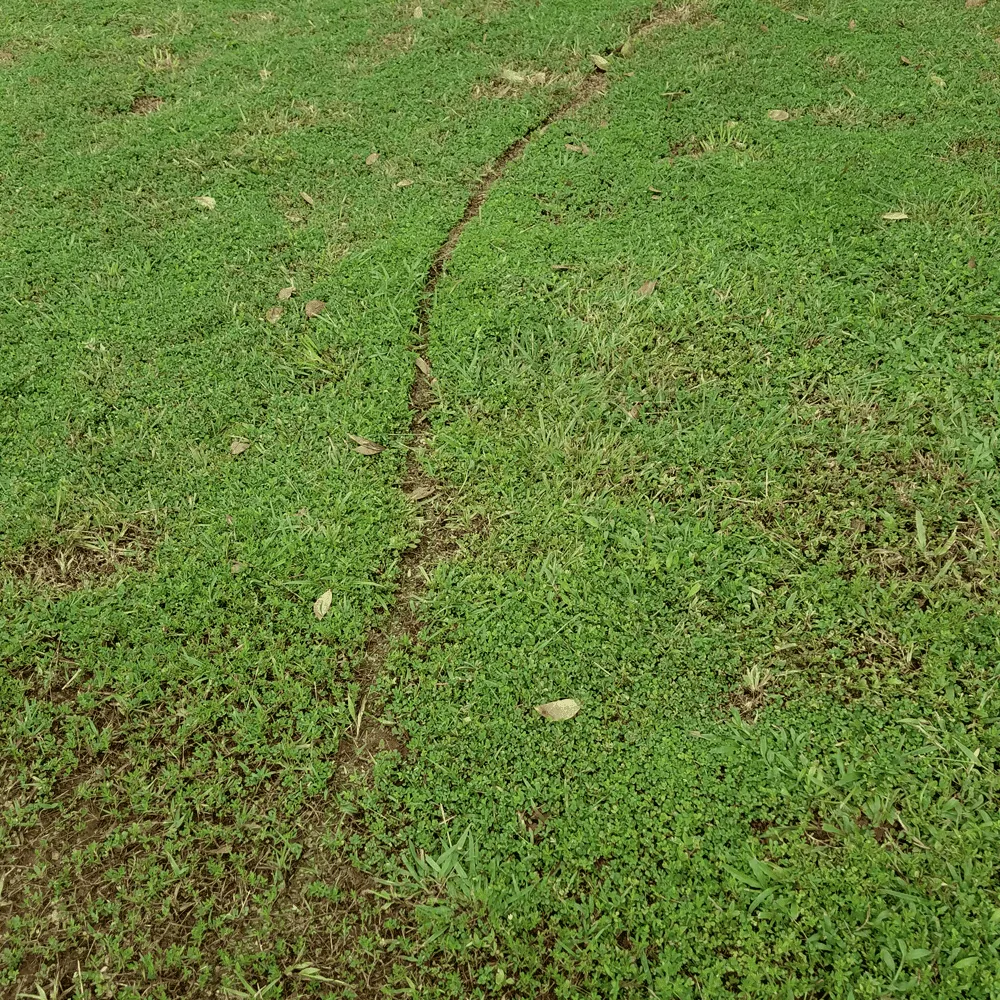
Treatments work best when applied to the active zone, which is usually the boundary between healthy and damaged turf. Treating the dead centre of a patch often wastes product because the feeder has already moved, or because the plant tissue is already too far gone.
Confirm the zone with a quick inspection:
- For chewers, check after dusk with a torch, part the grass and look in the thatch
- For root feeders, lift a small flap at the patch edge and inspect the top few centimetres of soil
- For burrowers, look for fresh soil movement and follow the moisture pattern around nests
- For distortion issues, inspect the base of blades and the thatch line, then monitor change over 48 hours
This is one of the simplest ways to avoid guesswork in Australian lawn care, because you treat where the problem is active, not where it used to be.
Choosing the Right Response by Damage Type
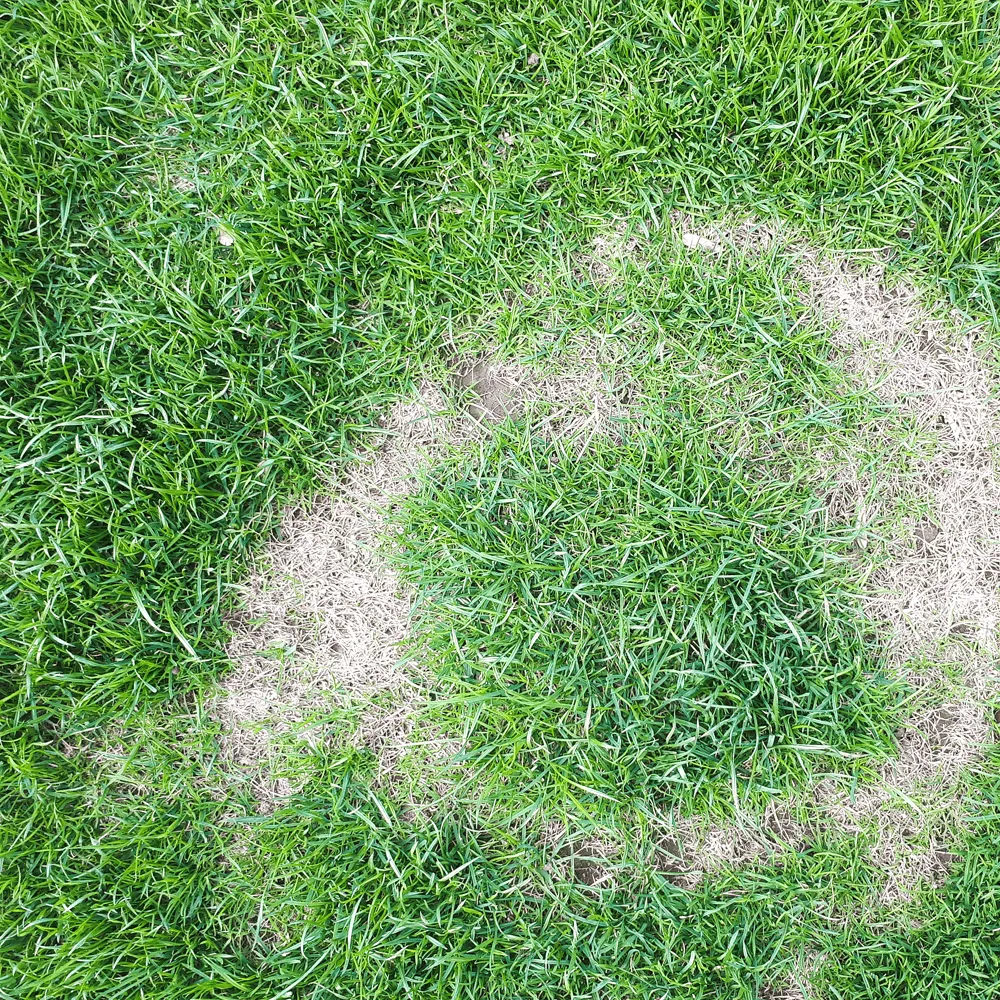
Warm-weather pest problems are easier to solve when you match the response to the damage style. Chewing, root damage, and sap-feeding do not behave the same way, so the same treatment logic will not fit every case.
Leaf Chewers: Prioritise Timing and Boundary Coverage
Chewing damage can look dramatic, but it is often the quickest to stabilise if you catch it early and act at the right time. These pests often feed at night and hide during the day.
Smart choices that reduce wasted effort:
- Inspect at night first, then treat when you confirm active feeding
- Focus on the boundary of damage, not just the chewed centre
- Avoid mowing low right after treatment, leave more leaf for recovery
- Keep watering consistent, but do not flood the lawn to “help it bounce back”
Chewing damage becomes much more harmful when the lawn is scalped during heat, because the turf loses its ability to photosynthesise and cool itself.
Root Feeders: Treat Soil-Level Risk as Urgent
Root-feeding larvae can quietly wreck the lawn’s drought tolerance. Once roots are damaged, heat can finish the job even if irrigation is decent.
Smart choices here start with confirmation, then careful recovery support:
- Do a turf-lift check at the patch edge to confirm root loss
- Minimise traffic over the area, spongy turf tears easily
- Keep soil moisture even, avoiding cycles of soaking and drying
- Treat the full at-risk zone, including just beyond visible damage
If turf lifts easily, you are not treating a cosmetic issue. You are protecting the lawn’s structure.
Sap Feeders and Mite-Type Issues: Fix Stress First, Then Escalate
Distorted growth, bronzing, or persistent patchiness can be pest-driven, but it often overlaps with mowing height, compaction, and uneven watering. Treating without fixing stress commonly leads to repeat symptoms.
Smarter decision steps:
- Raise mowing height slightly during hot spells
- Improve watering consistency (coverage matters more than volume)
- Address compaction in high-traffic strips
- Monitor the patch for 48 to 72 hours after correcting basics
If the patch keeps worsening while the rest of the lawn stabilises, that’s when escalation makes more sense.
Key Takeaways
Smart treatment choices for warm-weather lawn pests come down to confirmation, timing, and recovery. Identify the active zone, usually the boundary between healthy and damaged turf, then match the response to the damage style. Chewers reward night checks and boundary coverage, root feeders demand urgent soil-level attention, and distortion issues often improve when stress factors are fixed before you escalate.