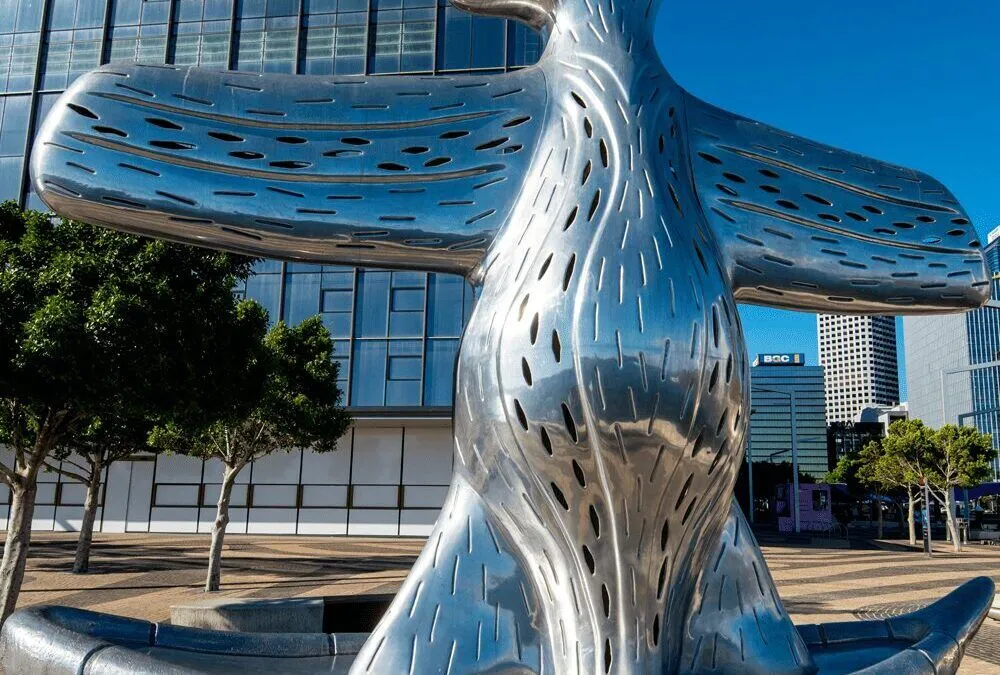
Large-scale artwork needs more than a good concept. It needs a build that stays straight, survives handling, and still looks clean when it’s on a wall under harsh lighting. That’s where aluminium earns its keep. It’s lightweight for its strength, it’s easy to fabricate compared to many metals, and it plays well with a wide range of other materials when you join and finish it properly.
Why Mixed Materials Work Better at Scale
When aluminium artwork gets bigger, the limitations of single-material builds show up fast. A large timber panel can move with humidity. A plastic sheet can bow. A heavy metal plate can become an installation nightmare. Mixed materials let you put the right properties in the right places.
A mixed-material approach helps because:
- You can use aluminium as a stiff, lightweight backbone
- You can add warmth or tactility with timber, textiles, or composite panels
- You can create depth with layers, spacers, and shadow lines
- You can control weight so the piece is easier to transport and mount
- You can separate “structure” from “surface”, which makes finishing easier
The best large-scale builds treat aluminium as the reliable base and other materials as design features.
Pairing Aluminium with Timber for Warmth and Contrast
Timber and aluminium is a classic combination because the contrast reads well from a distance. Timber brings warmth and grain, while aluminium brings crisp edges and a modern feel.
Where it works best:
- Timber frame with an aluminium face panel
- Aluminium frame with timber inserts or slats
- Layered timber shapes mounted over aluminium with spacers
- Aluminium cut-outs revealing timber backing
A few build tips that matter at scale:
- Seal timber on all sides, not just the front, to reduce movement
- Allow timber to expand and contract without forcing the aluminium to follow
- Use consistent reveals and shadow gaps so the join looks intentional
- Keep fasteners aligned and symmetrical, because large pieces amplify small inconsistencies
If the timber is structural, consider a “floating” approach where the aluminium is fixed at key points, not glued edge-to-edge with no room to move.
Combining Aluminium and Steel Without Corrosion Problems
Steel can add strength, thin profiles, and an industrial look. The problem is that aluminium and steel are dissimilar metals. In the presence of moisture, you can get galvanic corrosion, especially outdoors or near the coast.
You can still use them together, but you need to isolate:
- Use nylon or rubber washers between aluminium and steel
- Paint or coat contact areas, not just the visible surfaces
- Choose fixings that suit the environment, and still isolate dissimilar metals, including stainless, where moisture is likely
- Avoid trapping water at the joint, and leave drainage paths
A strong option for large-scale work is a steel subframe with aluminium panels mounted on isolated brackets. It gives you rigidity and predictable mounting points, while the aluminium provides the visual finish.
Using Aluminium with Acrylic for Depth and Colour
Acrylic (Perspex) is great for colour, light diffusion, and layering effects. Aluminium is a perfect partner because it gives you clean structural support and precise alignment.
Common large-scale concepts include:
- Aluminium cut-out face with coloured acrylic behind
- Acrylic front panel spaced off aluminium to create depth
- Backlit acrylic with aluminium as the frame and a solid mounting surface for lighting
- Modular panels where acrylic elements slot into aluminium channels
Acrylic moves with temperature and can crack if fasteners are over-tightened. At scale, the safe approach is:
- Oversize holes in acrylic to allow movement
- Use washers, grommets, or rubber isolators, not bare screws
- Avoid point loads by spreading load across brackets or rails
- Keep acrylic away from solvents and harsh cleaners during finishing
If you want a really clean look, use mechanical fixing hidden behind the aluminium, and let acrylic “float” on a supported ledge or channel.
Aluminium and Glass for High-End Minimalism
Glass brings reflection, transparency, and a premium feel, but it demands careful handling and mounting. Aluminium is often the safest structural partner because it can be fabricated into frames, channels, and standoff systems.
Strong use cases:
- Glass front with aluminium frame and hidden standoffs
- Aluminium grid behind glass for depth and structure
- Glass inserts within an aluminium panel to catch light
Practical points to get right:
- Use appropriate glass for the size and risk profile, with toughened (tempered) or laminated glass often the safer default for larger installs
- Avoid metal-on-glass contact, use rubber setting blocks or gaskets
- Design for safe installation, including weight, wall anchors, and handling points
- Plan edge protection, because glass edges are vulnerable during transport
At scale, the mount system is not an afterthought. It is part of the design.
Mixing Aluminium with Concrete, Render, or Plaster-Like Textures
Concrete and plaster textures are trending in interiors, and they look sharp against aluminium. The risk is weight, cracking, and bond failure if you apply heavy finishes directly to a thin sheet.
Safer strategies include:
- Use aluminium as a frame and mount lightweight cement board as the texture layer
- Apply texture to a separate substrate, then mechanically fix to aluminium
- Use thin, flexible texture systems designed for panels rather than slabs
- Create the “concrete look” with coatings instead of real concrete where possible
If you do use cement-based products, remember they can hold moisture and stay highly alkaline. Use a barrier layer or separation system where cement-based materials meet aluminium, and seal what needs sealing so moisture is not trapped at contact points.
Final Thoughts
Mixing aluminium with other materials is one of the fastest ways to make large-scale artwork feel premium without making it heavy or fragile. Aluminium gives you the structure and clean edges, while timber, acrylic, textiles, glass, or textured panels add warmth, colour, and depth.