A preventative maintenance program is more than a calendar full of bookings. Done properly, it is a structured way to keep a building safe, reliable, and financially predictable. For strata and commercial properties, that means less firefighting, better planning, and fewer surprises for owners, tenants, and managers.
To get those benefits, you need the right building blocks in place. Below are the key components of a solid preventative electrical maintenance program, and how they fit together in day-to-day operations.
Component 1: A Clear and Current Asset Register
A program cannot be solid if you do not know what you are looking after. That is why an accurate asset register is the foundation of preventative maintenance.
An asset register for a strata or commercial building should list:
- Electrical assets such as main switchboards, distribution boards, RCDs, and major cable runs
- Mechanical assets such as chillers, air handling units, pumps, and fans
- Fire and life safety systems including detection, alarm, suppression, and emergency lighting
- Vertical transport and access systems such as lifts, hoists, roller doors, and automatic gates
- General building items such as roofs, gutters, doors, windows, and car park equipment
Component 2: Risk-Based Prioritisation
Not all assets are equal. Some have a direct impact on life safety. Others have a major effect on trading or amenity. Some are low risk and can be checked less frequently. A solid program uses risk-based prioritisation to set sensible maintenance levels.
A simple risk framework considers:
- Safety risk if the asset fails
- Operational impact on tenants and residents
- Likelihood of failure based on age, condition, and duty
- Cost and complexity of repair or replacement
Component 3: Standardised Scopes of Work
Consistency matters. If every technician does something different on each visit, you cannot trust the results and you cannot compare performance over time. Standardised scopes of work give structure to every preventive task.
A good scope of work spells out:
- What visual inspections must be carried out
- What tests must be performed and how results are recorded
- Which consumables are replaced as standard versus quoted separately
- What photos or records must be included in the report
- How defects are categorised and prioritised
Component 4: Realistic Schedules and Frequencies
Preventative maintenance fails when the schedule is either unrealistic or ignored. A solid program is built around a calendar that matches the building’s needs and can actually be delivered.
When planning schedules, consider:
- Manufacturer recommendations for specific equipment
- Relevant standards and regulatory requirements
- The age and condition of major assets
- The building’s operating profile, including hours of use and peak periods
- Access limitations for certain areas or tenants
High-risk items will usually sit on quarterly or six-monthly cycles, with lower risk systems on annual or biannual checks. Preventative electrical maintenance should be woven through this schedule so that electrical inspections and tests support the timing of other services, rather than working against them.
Component 5: Strong Preventative Electrical Maintenance
Electrical systems deserve their own focus because they underpin so many other services. A strong preventative electrical maintenance component gives confidence that the building’s electrical backbone is safe and reliable.
Key elements of a robust electrical program include:
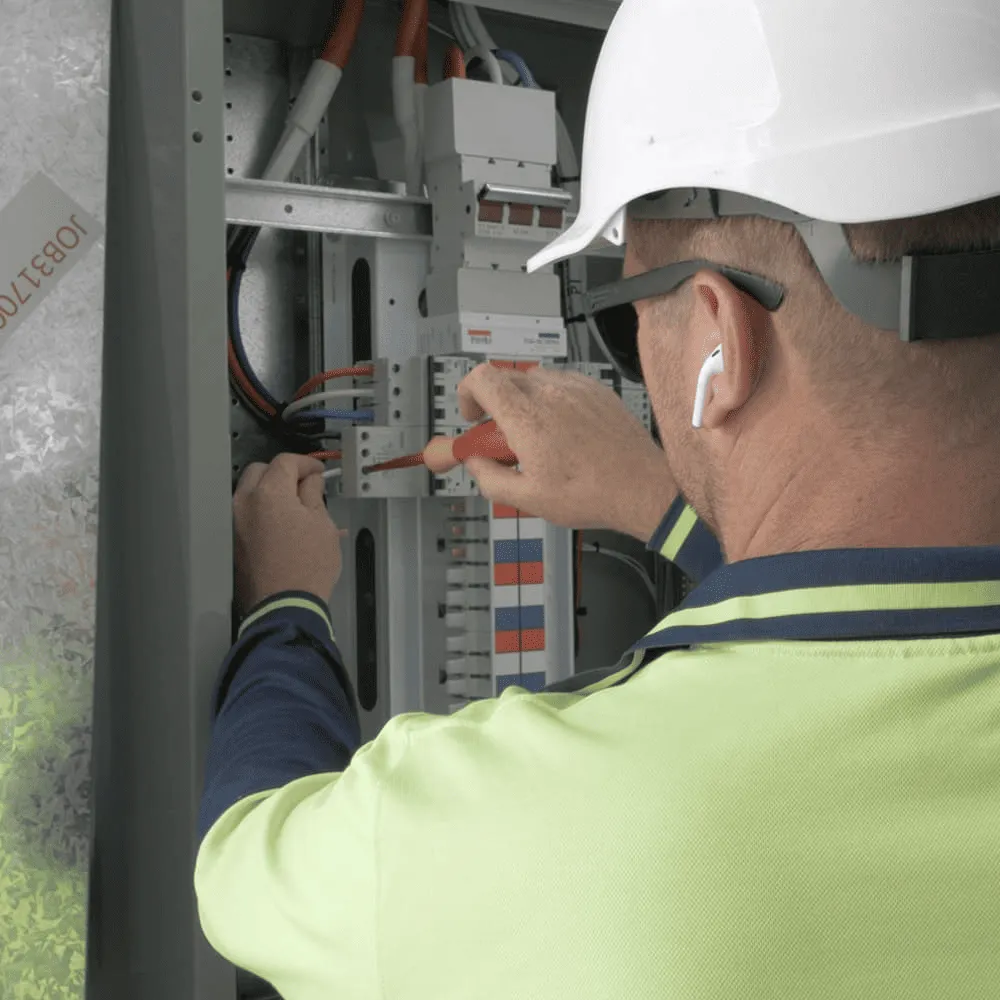
- Routine inspection and servicing of main switchboards, distribution boards, and metering boards
- RCD testing and logging, with clear identification of any units that fail tests or are nearing end of life
- Emergency and exit lighting testing, repairs, and scheduled replacement of failed fittings and batteries
- Checks on smoke detection devices and associated power supplies in common areas
- Visual inspection of accessible cabling and connections in high-load areas such as plant rooms and car parks
- Clear labelling and documentation updates so future work is faster and safer
Component 6: Clear Reporting, Data, and Defect Management
A preventative maintenance program lives and dies on its reporting. If reports are confusing, inconsistent, or never acted on, the value of the program drops quickly.
Effective reporting should:
- Use plain language summaries alongside technical details
- Highlight critical safety defects separately from minor issues
- Include photos that help committees and managers understand what they are looking at
- Provide clear recommendations with suggested timeframes for action
- Feed into a single defect or action register that can be tracked over time
Component 7: Defined Roles, Responsibilities, and Communication
A solid program does not rely on one person’s memory. Roles and responsibilities need to be clear so that everyone understands who does what and when.
Within a strata or commercial context, it helps to define:
- Who owns the asset register and keeps it updated
- Who approves preventative maintenance schedules and scopes
- Who receives and reviews reports from contractors
- How defects are prioritised and approved for repair
- How information is shared with committees, boards, owners, and tenants
Component 8: Integrated Contractors and Procurement
A preventative maintenance program performs best when contractors are aligned with its goals. That means selecting trade partners who understand the difference between reactive work and planned maintenance, and who can operate in both spaces.
When selecting contractors for a solid program, look for:
- Demonstrated experience in strata and commercial environments
- Ability to provide scheduled servicing, preventative electrical maintenance, and 24/7 response under one umbrella
- Clear, professional reporting formats
- Capacity to coordinate with other trades where systems overlap
- A track record of helping clients improve their maintenance strategy rather than just responding to faults
Putting the Components Together
When all these components are in place, a preventative maintenance program becomes a practical management tool instead of a buzzword. The result is a safer, more reliable building with fewer surprises and a more predictable workload for managers and committees. Rather than constantly responding to the latest breakdown, you can plan ahead with confidence, knowing the fundamentals are under control.