
As the weather warms and the firewood stack finally stops shrinking, many Australian households ask a simple question: is it worth paying for professional end-of-year fireplace cleaning, or will a careful DIY tidy do the job?
The short answer is that both have a place. A thorough DIY once-over is smart maintenance, while a professional visit provides deeper assurance on safety, efficiency, and compliance.
What You Get from Professional Service
Before deciding, it helps to understand what a professional actually does. A qualified technician or chimney sweep offers more than surface-level fireplace cleaning. They bring specialised tools, trained eyes, and a methodical process that catches issues early.
- Internal inspection of firebox, baffle, and flue components
- Removal of soot and creosote that basic brushing will miss
- Draft testing and airflow checks to reduce smoky starts
- Assessment of door seals, gaskets, glass condition, and fasteners
- For gas units, licensed testing of ignition, burners, and leak points
- For electric units, inspection of fans, intake filters, and electrical safety
The result is a unit that starts cleaner, burns better, and is less likely to produce odours or smoke when the first chilly night arrives.
When DIY Is Enough
There are situations where a careful homeowner can handle end-of-season fireplace cleaning without calling a pro. The key is to be realistic about the unit type, your tools, and the time you have.
- Lightly used wood heaters that burned only seasoned fuel
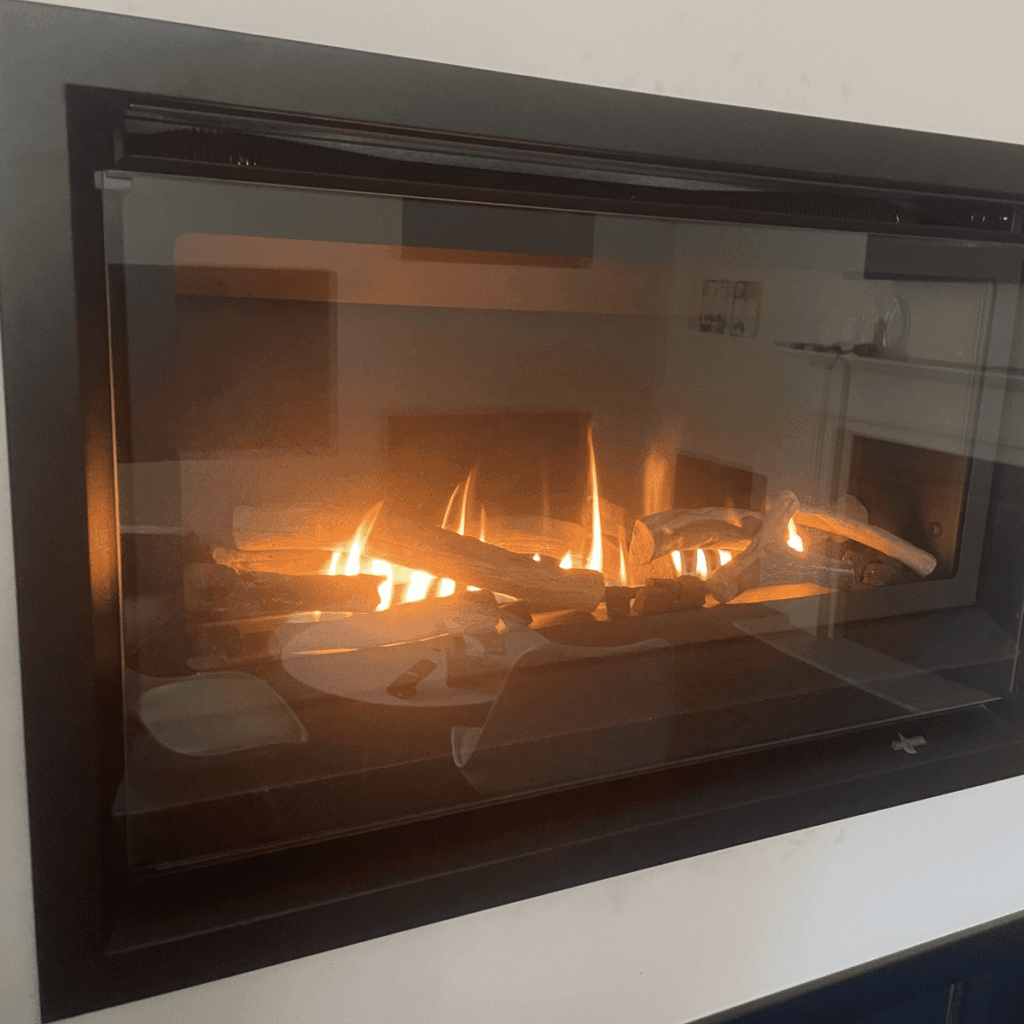
- Gas or electric fireplaces that mainly need dusting and glass care
- Homes that had a professional flue sweep within the last year
- No signs of smoke backflow, odours, or excessive soot
If this sounds like you, DIY can be economical and effective. Still, plan to schedule a professional sweep every year or two, depending on use, so deeper deposits never get a foothold.
The Safety Factor You Should Not Ignore
Fireplaces look calm when cold, but the safety stakes remain high. Creosote in a wood flue can harden and glaze, creating a stubborn fuel source that ignites at high temperatures. Gas appliances can drift out of spec over time, causing poor combustion and higher carbon monoxide risk.
Electric units can collect dust in intake and outlet grilles, reducing airflow and stressing internal fans. Professional fireplace cleaning addresses these risks in ways a quick tidy cannot, which is why many households mix DIY care with periodic service.
Cost Versus Consequences
A useful way to judge value is to weigh cost against risk and replacement. Proactive service is usually cheaper than repairing warped baffles, cracked firebricks, or damaged flue liners. Even small air leaks from worn door gaskets reduce efficiency and push smoke into the room, which adds to cleaning costs and can trigger allergies.
If your home relies on a fireplace for regular winter heating, the performance gains from professional cleaning often pay back in a single season through easier starts and stronger heat output.
Warranty and Compliance Considerations
Many modern fireplaces come with clear servicing expectations. Skipping scheduled checks can complicate warranty claims and, in some cases, breach local regulations around gas work. Keep receipts or digital records of professional fireplace cleaning and servicing. If you plan to sell your home, proof of regular maintenance can reassure buyers and support a smooth inspection process.

Signs You Should Book a Professional Now
A quick self-assessment will tell you if this is the year to bring in a technician. If any of the following apply, book service at the end of the season rather than waiting until winter rush.
- You smell smoke when the unit is not operating
- There is visible, shiny creosote in the flue or heavy soot around the throat
- Starts are sluggish or smoky despite dry wood
- You see cracked firebricks, warped baffles, or loose flue joints
- The glass fogs or stains rapidly after each burn
- For gas units, the pilot is unreliable or the flame looks weak and yellow
- For electric, the fan rattles or airflow is noticeably reduced
These symptoms suggest underlying problems that professional fireplace cleaning and inspection can address before they turn into bigger repairs.
The Bottom Line
So, is professional end-of-year fireplace cleaning necessary? Strictly speaking, not in every situation. Practically speaking, it is the most reliable way to keep your fireplace safe, efficient, and ready for next season, especially for heavy wood users and any home with a gas appliance.