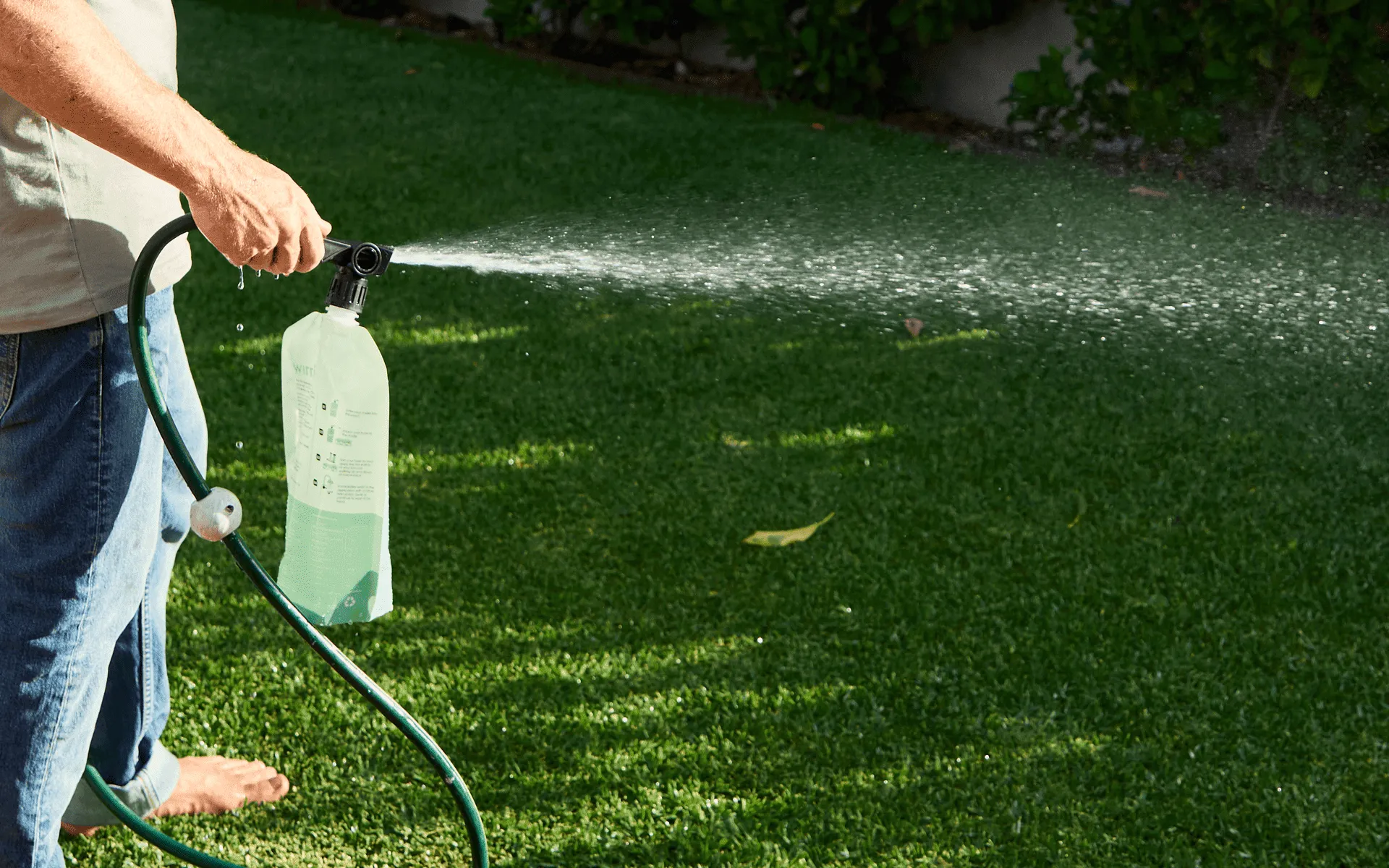
Soil decides what works, what fails and what wastes money. Two lawns can sit on opposite sides of a street, use the same products and get very different results. The difference is usually underfoot. Texture, structure, pH, organic matter and salt levels all influence which lawn care products are worth buying, how much to apply and when to apply them.
Start With the Soil, Not the Shelf
Before you compare brands, learn the basics of your soil. A quick texture check, a simple pH test and a look at how water soaks in will tell you most of what you need to know.
- Texture shows you if you are dealing with sand, loam or clay.
- Structure tells you how tight the soil is and whether roots and water can move.
- pH controls how nutrients unlock.
- Organic matter drives water holding on sand and aggregation on clay.
- Salinity or sodicity warns you that salts are interfering with growth or sealing the surface.
Once you understand these levers, you can pick products that work with your soil rather than against it.
Product Category 1: Wetting Agents for Water Repellent Sands
Large parts of coastal Australia sit on sandy soils that become hydrophobic. Water beads, runs off and leaves dry patches. A wetting agent reduces surface tension so water can penetrate and spread.
When to choose:
- Water pools or runs off instead of soaking.
- Patches stay dry after rain.
- Fertiliser responses fade fast.
What to buy and how to use:
- Liquid wetters for fast coverage before a deep soak.
- Granular wetters for steady release and easy DIY application.
- Reapply on a schedule through warm months.
- Combine with light compost topdressing to make gains last longer.
Why it matters:
Without a wetter, you can pour on water and still miss the root zone. Adding a wetting agent early in spring lawn care sets up even infiltration before heat arrives.
Product Category 2: Soil Improvers and Topdress Mixes
Topdressing lets you tune soil slowly but reliably. The right blend depends on your starting point.
For sandy profiles:
- Screened compost to lift organic carbon and water holding.
- Compost plus sandy loam if you want to add some fines for structure.
- Apply thin layers after aeration so you do not smother the turf.
For heavy clays:
- Sandy loam dominant mixes to keep aeration holes open.
- Avoid heavy, fine-laden topdress that seals the surface.
- Pair with gypsum if sodicity is confirmed by a test.
For uneven or rubble-filled subgrades:
- Turf underlay mixes that meet a consistent particle size and organic content standard.
- Remove rubble rather than trying to bury it with a thin layer.
Why it matters:
Topdressing improves the root environment so every fertiliser and watering round performs better. In spring, a light topdress can correct winter compaction and set roots up for summer.
Product Category 3: Fertilisers Matched to CEC And Texture
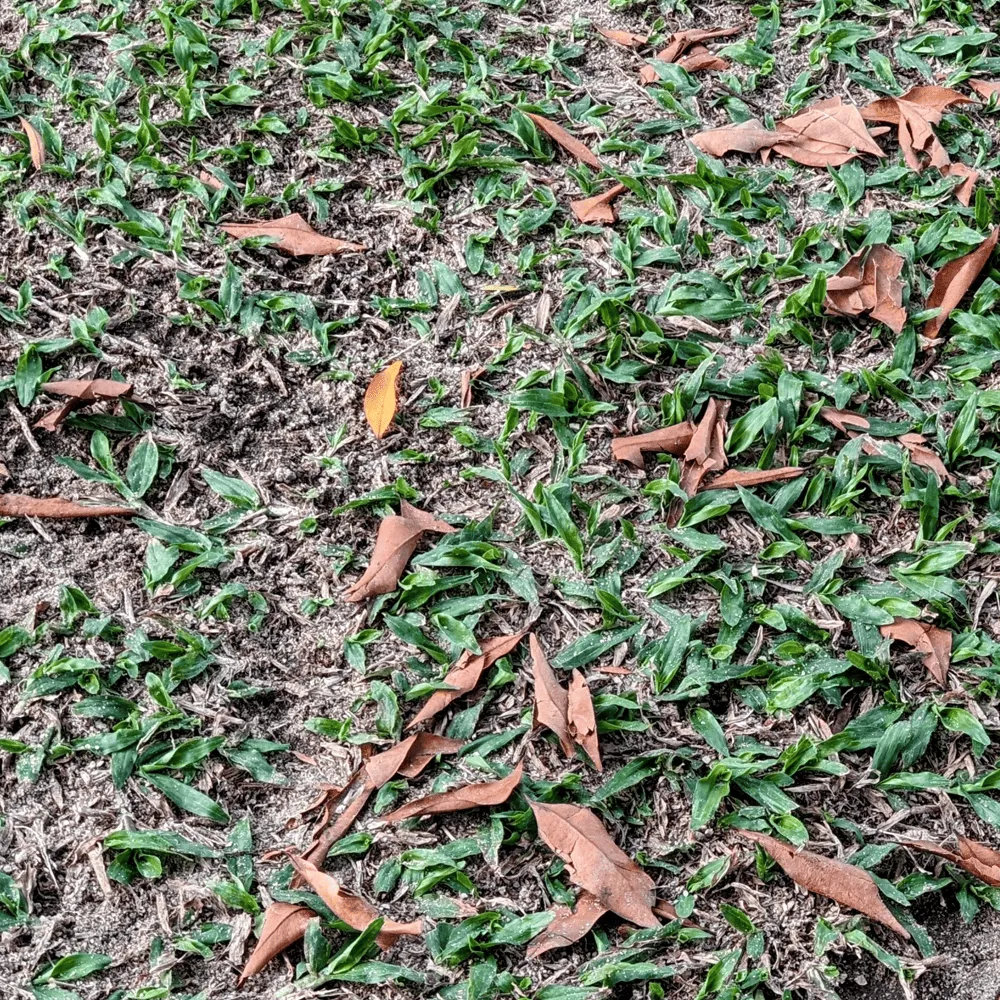
Cation Exchange Capacity, or CEC, is the soil’s ability to hold nutrient ions. Sands have low CEC and leak nutrients. Clays and organic matter hold onto them longer. Your fertiliser choice should reflect this.
On sands and sandy loams:
- Prefer slow release nitrogen sources to reduce leaching.
- Use smaller, more frequent applications.
- Include organics to lift CEC over time.
- Consider products with added potassium for heat resilience.
On loams:
- Standard seasonal programs work well.
- Use balanced NPK and supplement with iron if colour lags.
On clays with higher CEC:
- Slightly larger, less frequent applications are fine.
- Take care not to force lush growth that invites disease if drainage is poor.
Why it matters:
Matching fertiliser to CEC improves efficiency. You get steady colour without waste, which is crucial when dialing in spring lawn care on a budget.
Product Category 4: pH Adjusters and Micronutrients
If pH is off, nutrients are present but unavailable. Products that change pH do their best work when applied steadily over time.
If soil is acidic:
- Agricultural lime raises pH gradually.
- Dolomite adds magnesium if tests show a deficiency.
- Apply light rates and recheck annually.
If soil is alkaline:
- Elemental sulphur or acidifying fertilisers help nudge pH down.
- Foliar iron gives a quick colour lift while the longer program takes effect.
Why it matters:
pH is the gatekeeper. Fixing it unlocks better responses from every other product in your program.
Product Category 5: Gypsum For Sodic Clays
Sodicity means excess sodium sits on clay particles, causing them to disperse. The surface seals and water cannot get in. Gypsum supplies calcium that swaps with sodium and helps particles clump into stable crumbs.
When to choose:
- A simple dispersion test shows cloudy water when soil is shaken.
- Lab tests confirm high sodium levels.
- The soil crusts after rain and sheds water.
How to use:
- Apply recommended rates and water in well.
- Combine with aeration and topdressing to speed improvement.
- Track progress with follow-up tests.
Why it matters:
On sodic clays, no amount of fertiliser will fix growth until structure is restored. Gypsum is often the key product in that repair.
Product Category 6: Herbicides and Adjuvants That Fit Your Soil
Weed control products must match your turf variety and soil behaviour.
Pre-emergents:
- Work best when water can move evenly into the top layer.
- On hydrophobic sand, apply a wetting agent first to avoid patchy results.
Post-emergents:
- Check label tolerance for buffalo, couch or kikuyu.
- Use the right adjuvant where specified to improve uptake.
- Avoid spraying stressed turf on waterlogged clay or parched sand.
Why it matters:
Herbicides are more reliable when the soil delivers consistent moisture and the turf is growing steadily. That is why weed control sits after your soil fixes in a spring lawn care sequence.
Product Category 7: Biostimulants and Soil Conditioners
Products like kelp, humic and fulvic acids, and amino acid blends support root activity and nutrient uptake. They are not substitutes for fertiliser or structure fixes, but they are useful additives.
Where they help most:
- Sandy soils where you want better nutrient retention and root mass.
- Renovation periods after aeration or scarifying.
- Heat or drought transitions where stress reduction is valuable.
How to use:
- Apply little and often, mixed with your standard spray rounds.
- Combine with a sound base of slow release nutrition.
Why it matters:
These products round out a program by supporting roots and microbial activity, especially when you are building soil resilience across the season.
Product Category 8: Irrigation Hardware That Matches Infiltration
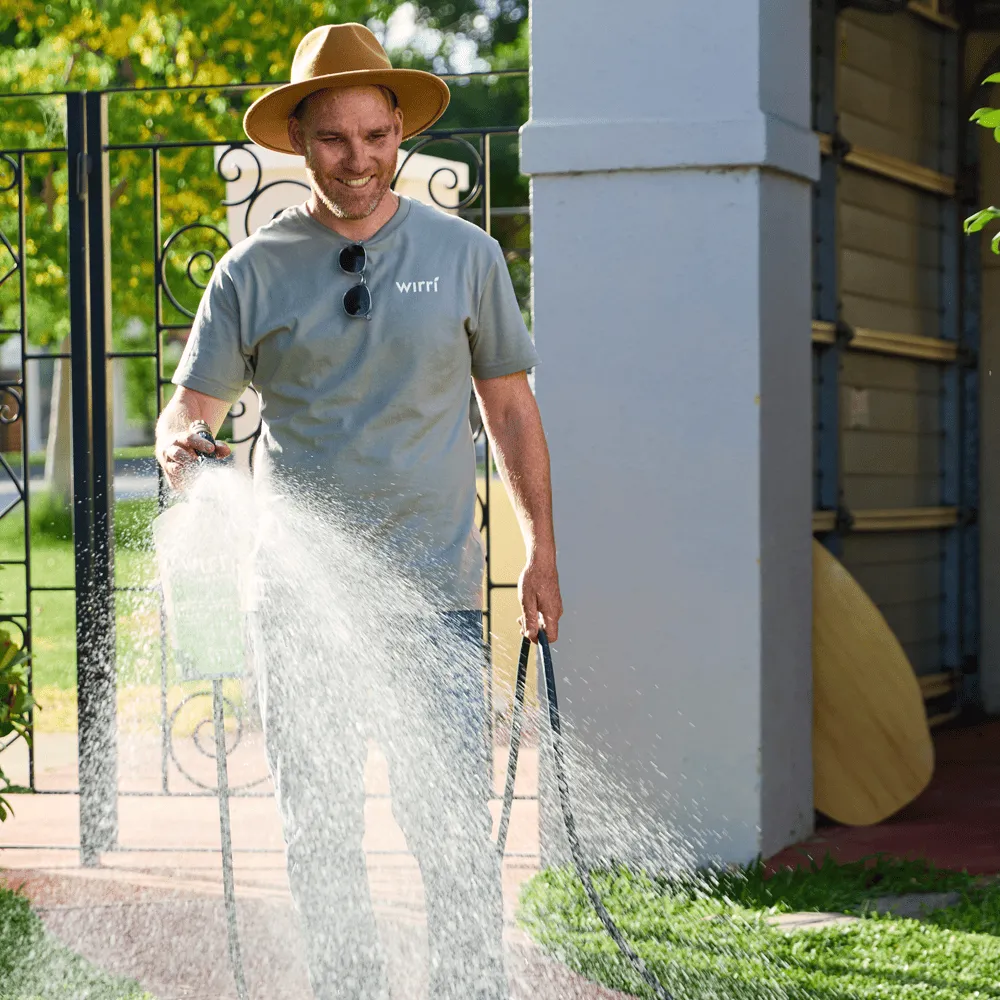
The right nozzle or emitter helps your soil accept water without runoff or ponding.
On sands:
- Lower precipitation rate nozzles run longer without waste.
- Cycle-and-soak programming reduces runoff on sloped sites.
On clays and duplex soils:
- Even, slower application rates prevent surface sealing.
- Consider drip in narrow strips to keep moisture where roots can use it.
Why it matters:
Hardware does not fix soil, but it ensures your wetting agents and watering plan actually reach the roots.
Final Takeaway
Soil sets the rules for product choice. Wetting agents are not a luxury on hydrophobic sands. Gypsum is not optional on sodic clays. Slow release fertilisers shine on low CEC soils, while pH adjusters unlock colour where chemistry blocks it. Choose topdress mixes that solve your specific structure problem.
Set irrigation hardware and run times to match infiltration rather than habit. Build your shopping list from the soil up and organise it in a spring lawn care sequence that fixes water movement, improves structure and then feeds growth. Do that, and your lawn care spend turns into reliable colour, deeper roots and a tougher lawn that holds up when summer turns harsh.