
Aluminium benches have become the go‑to outdoor seat across Australia. Councils, schools, gyms, caravan parks—you name it—are swapping out tired timber slats for sleek, rust‑proof alloy. But not every aluminium bench is created equal.
If you’re making a purchase that should last the next decade (or three), durability needs to drive every decision, from alloy choice to fixing bolts. Below is a comprehensive guide to help you weigh the options and lock in a bench that can handle our unforgiving climate.
Why Durability Should Top Your Shortlist
Australia’s conditions are brutal on outdoor furniture. Our blend of UV radiation, salt‑laden breezes, red dirt, and sudden downpours accelerates wear. Choosing a durable aluminium bench:
- Cuts lifetime cost—fewer repairs and replacements free up budget for other upgrades.
- Reduces safety risks—no shaky legs, peeling paint, or splinter hazards.
- Sustains amenity value—well‑kept seating keeps parks, playgrounds, and streetscapes welcoming.
Failure to plan for durability often shows up as corroded fixings, chalky finishes, or warped frames within a couple of years—hardly the legacy anyone wants.
Four Environmental Stressors Every Bench Must Face
Before you even compare brands, map out the specific punishment your site will deliver. Durability decisions hinge on local stressors like:
- Coastal salt spray: Sodium chloride accelerates pitting corrosion, especially near popular beaches and marinas.
- High UV exposure: Harsh sun degrades unprotected coatings and weakens inferior plastics used in end caps or armrests.
- Cyclonic rain and humidity: Northern regions dish out monsoonal moisture that creeps into poorly sealed joints.
- Red dirt and abrasive dust: Inland sites can sand‑blast surfaces over time, shortening coating life.
A bench that thrives in Melbourne’s inner suburbs might fail miserably beside a Cairns surf‑club BBQ.
Aluminium Grades and Why They Matter
All aluminium isn’t identical. Most outdoor benches use either 5000‑series or 6000‑series alloy extrusions.
- 5000‑Series (e.g., 5052): Contains magnesium for superior marine corrosion resistance. Great for beachfronts.
- 6000‑Series (e.g., 6060 or 6063): Contains magnesium and silicon; easier to extrude into complex shapes and often cheaper. Adequate for inland parks if protected with a quality coating.
Tip: Ask the supplier to specify the alloy on your quote. If they dodge the question, consider that a red flag.
The Role of Wall Thickness and Reinforcement
Durability isn’t just chemistry—it’s geometry.
- Thicker extrusions: An extra millimetre or two in wall thickness can double impact resistance, keeping benches dent‑free when tradies sling toolboxes underneath.
- Internal ribs or gussets: Reinforced profiles reduce flex on stadium‑length benches, preventing weld fatigue.
- One‑piece welds: Continuous TIG or MIG welds outlast spot‑welded frames, especially under cyclic loads (think teenagers bouncing).
Coatings and Finishes: More Than Looks
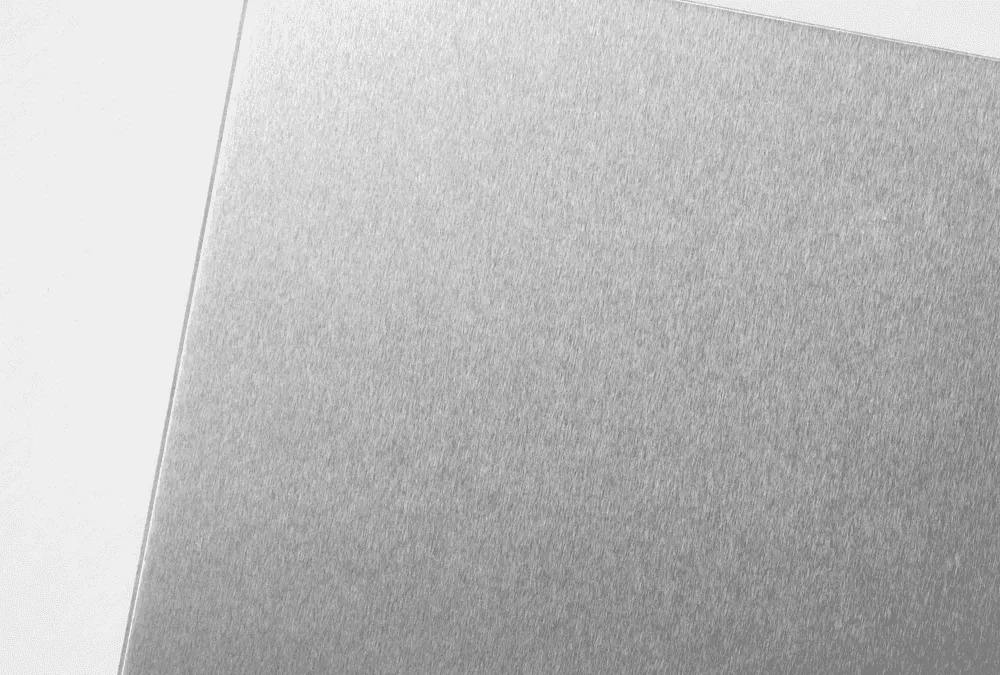
Raw aluminium survives on its natural oxide film, but that layer is thin. A proper finish does the heavy lifting against corrosion, scratches, and UV fade.
Anodising
- Converts the surface into a thicker, harder oxide layer.
- Offers excellent scratch resistance and a contemporary satin look.
- Colour choices are mostly silvers and bronzes—limited but classy.
Powder‑Coating
- Sprays dry polyester powder electrostatically, then bakes it on.
- Endless colour palette—from school‑house red to outback ochre.
- Must meet AS 3715 to guarantee adhesion and UV durability.
- Coastal installs should opt for marine‑grade powder with a minimum 60‑micron thickness.
Duplex Systems
- A bench can be anodised first, then powder‑coated: the “belt‑and‑braces” approach.
- Extra cost but pays off where vandalism and salt combine (publishing pens in Fremantle comes to mind).
Hardware: Small Parts, Big Impact
Even the toughest frame fails if the bolts corrode.
- Fastener Material: Go stainless (316 in coastal zones) or coated galvanised steel.
- Isolation Pads: Nylon or rubber gaskets between dissimilar metals stop galvanic corrosion.
- Tamper‑proof Heads: Security Torx or shear‑head bolts deter souvenir hunters and skateboard modders.
- Thread‑locking: Vibra‑tite or Loctite keeps bolts tight despite daily use and thermal expansion.
Routine bolt checks should be in the annual maintenance plan, but selecting quality hardware upfront reduces surprises.
Joint Design: Welds vs Mechanical Fixings
Two main philosophies dominate aluminium bench construction:
- Fully Welded Frames
- Strength is baked in at the factory.
- Fewer snag points for pockets or backpack straps.
- Harder to ship but simpler to install—drop, align, bolt down.
- Modular Mechanical Assemblies
- Flat‑pack shipping slashes freight costs, especially to remote WA shires.
- Damaged parts can be replaced individually.
- Assembly quality relies on installer skill—overtightening can strip threads.
If vandalism is a concern, welded frames usually fare better, but large councils often choose modular units to streamline asset management.
Maintenance Practices That Extend Service Life
Durability isn’t set‑and‑forget. The smartest procurement officer still schedules upkeep.
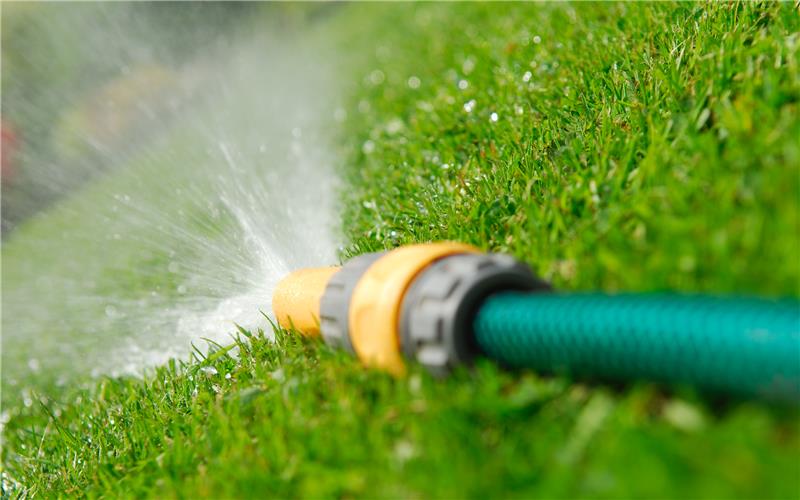
- Monthly hose‑down: Removes salt crystals and airborne dust.
- Six‑monthly detergent wash: Soft brush, pH‑neutral soap, plenty of rinse.
- Annual inspection: Check coatings for chips, tighten hardware, and touch‑up scratches with manufacturer‑approved paint.
- Graffiti removal plan: Use non‑abrasive solvents designed for powder‑coat; test on a hidden spot first.
A simple logbook in the facility shed backs warranty claims should anything go pear‑shaped.
Aluminium Bench vs Timber, Steel, and Recycled Plastics
Durability also hinges on material choice. Quick comparisons:
- Aluminium vs Timber: Timber looks warm but splits, warps, and needs re‑oil or paint every year.
- Aluminium vs Mild Steel: Steel is strong but rusts; galvanising slows corrosion, yet chipped areas fail quickly near the coast.
- Aluminium vs Recycled Plastic: Plastic slats won’t rot but can sag in heat and gather static dust; frame fastenings still rely on metal that can corrode.
For many Aussie sites, a well‑made aluminium bench offers the best compromise of strength, weight, and weather resistance.
Final Thoughts
Durability isn’t glamorous, but it’s the backbone of any successful public‑space upgrade. A well‑specified aluminium bench withstands Australia’s sun, salt, storms, and spirited footy fans while keeping maintenance budgets tame.
By analysing environmental stressors, selecting the right alloy and coating, insisting on quality hardware, and locking in a thorough maintenance plan, you’ll secure seating that serves the community for decades—long after the ribbon‑cutting photos fade.